

The Home Language Environment and Its Role in Supporting Children's Language Learning
July 17, 2023
Dr. Alaa Abdulaziz Al-Mohammadi
Assistant Professor in Child Language Development
King Abdulaziz University
The home language environment plays a crucial role in children's language learning. Children acquire their first language skills through interaction with their surrounding environment, and the home environment is considered the primary source of linguistic interaction in the first years of their lives.
The Importance of the Family's Role in Building Language
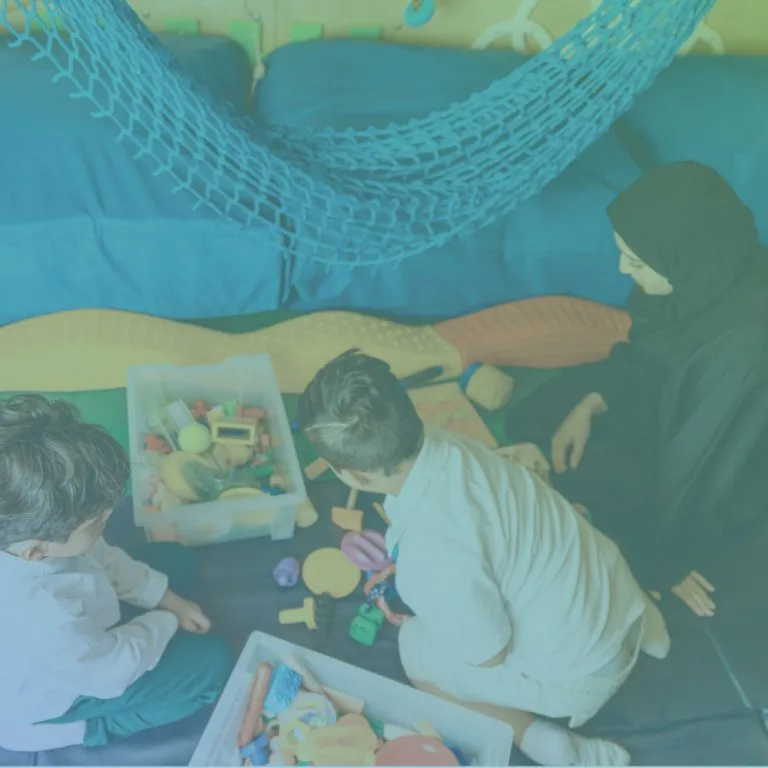
The family and the home constitute a language-rich environment where children are exposed to diverse linguistic experiences that contribute to the growth and development of their language skills. One of the most important aspects influencing the home language environment is linguistic interaction between children and family members. When parents talk with the child regularly, the child is exposed to correct linguistic models and acquires new vocabulary and grammar. Children can also participate in daily conversations, read books with the family, and listen to stories and chants; these activities enhance their language skills and help them expand their vocabulary and understand language rules.
The Role of Reading in the Language Environment
Reading is also an important and essential aspect of a rich language environment. When parents read to their children, it not only enhances their language skills but also instills a love of reading and learning in them. Regular reading contributes to enhancing phonological awareness, letter recognition, and comprehension skills. Furthermore, providing a variety of age-appropriate books at home develops language skills, which play an effective role in the later development of reading and writing skills.
The home environment also provides opportunities for emotional linguistic interaction between children and family members. When a child feels safe and comfortable in their home environment, they are more prepared to communicate and learn, as parents can encourage children to talk about their thoughts and feelings, listen carefully, and express emotions in positive ways.
Warm and open communication between family members and children is considered fundamental to enhancing self-confidence and strengthening children's oral language and listening skills.
Recent research indicates that the home language environment directly affects language development in children. Here are some research findings on the role of the home language environment in children's development:
- Increased vocabulary: Studies have shown that children raised in a home environment characterized by rich conversations and linguistic interaction usually have a broader and more diverse vocabulary. This increase in vocabulary is attributed to frequent interaction with various words and concepts at home.
- Improved listening and comprehension skills: Research indicates that children living in a rich language environment are more capable of understanding and comprehending spoken language. Regular interaction with parents and family contributes to developing listening and comprehension skills in children.
- Enhancing speech and communication skills: Intensive interaction in the home language environment influences the development of children's speech and communication skills, as children learn from and imitate correct pronunciation models they hear at home, and receive opportunities to express themselves and communicate with others.
- Academic performance: Research indicates that the home language environment positively affects children's performance in school. Children who enjoy a language-rich home environment usually demonstrate higher abilities in reading, writing, and language comprehension.
Here are some tips to enhance the home language environment:
- Talk to your child regularly: Try to communicate and talk with your child regularly, and give them the opportunity to express their thoughts and feelings. Use simple, understandable language and speak clearly.
- Read stories and books together: Read age-appropriate stories and books with the child. This helps expand their vocabulary, enhances their language comprehension, and encourages them to listen and focus.
- Use language in daily life: Try to incorporate language into the child's daily life. For example, explain the things you do and see while doing household activities, such as cooking, cleaning, or mealtimes. This helps build their vocabulary and expand their linguistic repertoire.
- Singing and chants: Teach children songs, chants, and rhymes. These activities help reinforce language and improve pronunciation and listening skills.
- Listening to audio stories: Offer your child audio stories in the language you wish them to learn. This helps develop their language comprehension and enhances their auditory abilities.
- Provide time for discussions and conversations: Set aside specific time for family discussions and conversations. Listen to your children and engage with them in conversations openly and warmly, and urge them to ask questions and express their thoughts.
- Making use of screen time: When the child watches TV shows or uses tablet devices such as the iPad, try to interact with them and discuss what they are watching or listening to. Comment on what they watch and ask them questions to enhance linguistic thinking and stimulate dialogue.
The importance of the home language environment lies in providing opportunities for learning and linguistic interaction in the child's life. Children who enjoy a rich language environment at home are usually proficient in language and excel in reading and writing skills when they enter school. Therefore, parents must realize the importance of the home language environment and strive to provide diverse and rich language experiences for their children through daily linguistic interaction, shared reading, and emotional conversations. The home language environment serves as a gateway for children's language learning and development, and contributes to building a strong foundation for language skills that will stay with them throughout their lives.
To ensure your child's language is developing properly, you can now use the language development scale for free to screen your child for language delay and receive an immediate result.
Download the Ynmo Plan app
Originally published in Arabic. This English version was produced with AI-assisted translation; the Arabic original remains the reference.