

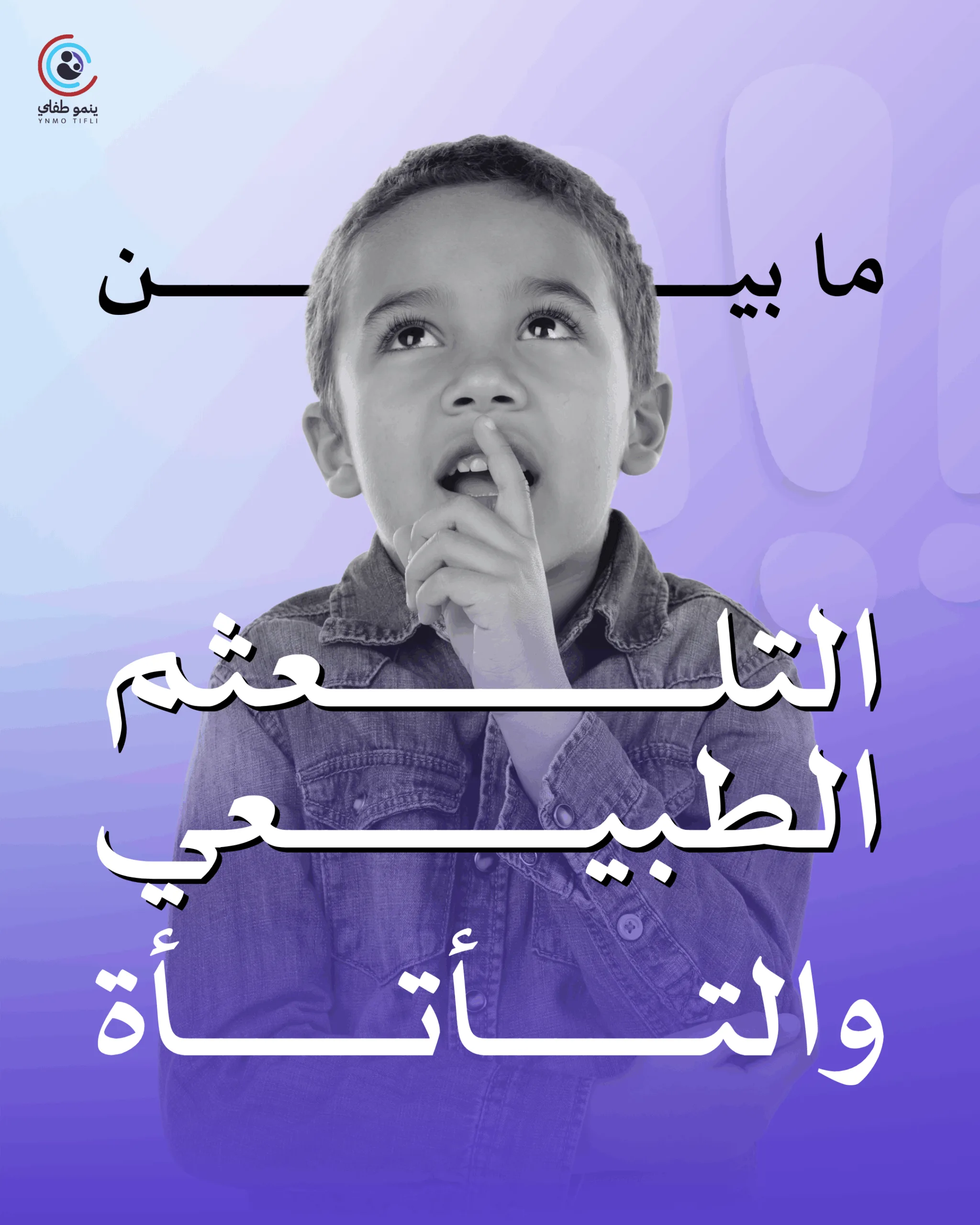
Between Typical Disfluency and Stuttering
June 2, 2025
We all experience times when we do not speak fluently. This may look like pausing to think, saying "um" or "like" in the middle of talking, mispronouncing words we already know, or repeating some words. These situations are called "typical disfluency," which is a normal part of communication and does not indicate a speech disorder.
About Stuttering
People who stutter usually experience more difficulty with speech fluency and communication than others. They may repeat parts of words, prolong certain sounds for a long time, or get stuck before starting to say a word or in the middle of it.
Stuttering may also include tension and negative feelings toward speaking. Some people who stutter tend to hide their stuttering because they worry about what others might think. For example, they may avoid certain words or situations, such as talking on the phone.
Stuttering can fluctuate and change from day to day. At times, you may be more fluent; at other times, you may stutter more. Stress or excitement can lead to more stuttering.
Signs of Typical Disfluency and Stuttering and the Difference Between Them:
First, typical disfluency:
- Adding a sound or word (called filler words) — "I, um, need to go back home."
- Repeating whole words — "Cookie, cookie and milk."
- Replacing words in a sentence (called revision) — "I had… I lost my tooth." The speaker wanted to say "I had a tooth," then changed the sentence to "I lost my tooth."
- Not finishing a thought — "His name is... I don't remember."
Note: When children learn many new words or speech sounds, you may notice some of these common disfluencies.
Second, stuttering:
- Repeating a syllable of a word — "The grass is gr- gr- gr- green."
- Repeating words and phrases excessively — "Water - water - water - cold water."
- Stretching and prolonging sounds — "Sssshahad is my friend."
- A sudden pause at the beginning or middle of speech — "I want (pause) cake."
You may also notice other behaviors such as head nodding, eye blinking, or sweating. Sometimes, people who stutter feel that some of these behaviors help them stop stuttering. They may also avoid using certain words, or may use different words to avoid stuttering.
Personal feelings, situations, and the actions of others can affect how much a person stutters. Here are some examples of things that may increase stuttering:
- Personal feelings, such as:
- Frustration
- Excitement
- Stress
- Feeling rushed
- Situations, such as:
- Holidays
- Crowded places
- Talking on the phone
- Actions of others, such as:
- Mocking the person who stutters
- Being impatient with them
- Drawing attention to their speech
- Trying to "help" them by finishing their words for them
Causes of Stuttering
Stuttering usually begins between the ages of two and six. Many children go through normal periods of disfluency that last for less than six months.
There is no single specific cause of stuttering. Possible causes include:
- Family history — Many people who stutter have a family member who also experiences stuttering.
- Brain differences — A person who stutters may have subtle differences in the way their brain functions during speech, compared to people who do not stutter.
There are certain factors that increase the likelihood of stuttering continuing:
- Gender — Boys are more likely to have persistent stuttering than girls.
- Age when stuttering begins — Children who start stuttering at age three and a half or older are more likely to have persistent stuttering.
- Family recovery patterns — Children whose family members continue to stutter are also more likely to have persistent stuttering.
Visiting a Speech-Language Pathologist
If you think your child is stuttering, seek help from a speech-language pathologist as soon as possible. Early help reduces the likelihood that your child's stuttering will continue. Reach out to a specialist if any of the following occur:
- Your child's stuttering continues for 6 to 12 months or longer.
- Your child begins stuttering at an older age (after 3 and a half years).
- Your child begins stuttering more frequently.
- Your child feels tension or difficulty when speaking.
- Your child avoids talking.
- There is a family history of stuttering.
Screening Your Child for Stuttering
It is important to see a speech-language pathologist for an assessment; since it is not always easy to know whether a child is stuttering in their speech, the specialist will check the following:
- The type of your child's disfluency (typical disfluency or stuttering);
- How often your child stutters;
- Your child's response and reaction when they stutter;
- How your child tries to "fix" or change their speech rate.
Also, the speech-language pathologist will ask whether your child's speech affects how they play with others, or whether it makes speaking difficult for them at school. In addition, the speech-language pathologist will assess your child's speech and language, including how they pronounce sounds and words, how well they understand what others say, and how proficient they are at using words to speak. Finally, the speech-language pathologist will use all of this information to determine whether your child is experiencing stuttering or just typical disfluency.
How Do You Help Your Child if Diagnosed with Stuttering?
There are different ways to help your child overcome stuttering. The care team usually consists of your child and you, alongside family members, the speech-language pathologist, and your child's teacher at school, to ensure your child receives the appropriate help in all aspects.
Therapy often focuses on helping your child speak more comfortably and freely at school and in various social environments. The speech-language pathologist also helps your child face speaking situations that make them feel afraid or anxious and trains them to use strategies specific to their condition to overcome stuttering.
Children experiencing stuttering may wish to join support groups, where they can talk to other people experiencing stuttering and share experiences and insights with one another.
How Does the "Ynmo Tifli" App Help with Stuttering?
You can visit the "Ynmo Tifli" app to help your child through specialized services and a supportive environment that helps them improve communication skills and build self-confidence through a free assessment to help you understand your child's condition—through simple questions answered carefully—which will provide you with recommendations tailored to your child.
After completing the assessment, you can start one-on-one sessions with speech and language disorder specialists and begin the journey of managing stuttering.
Register for Ynmo Tifli now
Reference
https://www.asha.org/public/speech/disorders/stuttering/
Originally published in Arabic. This English version was produced with AI-assisted translation; the Arabic original remains the reference.