

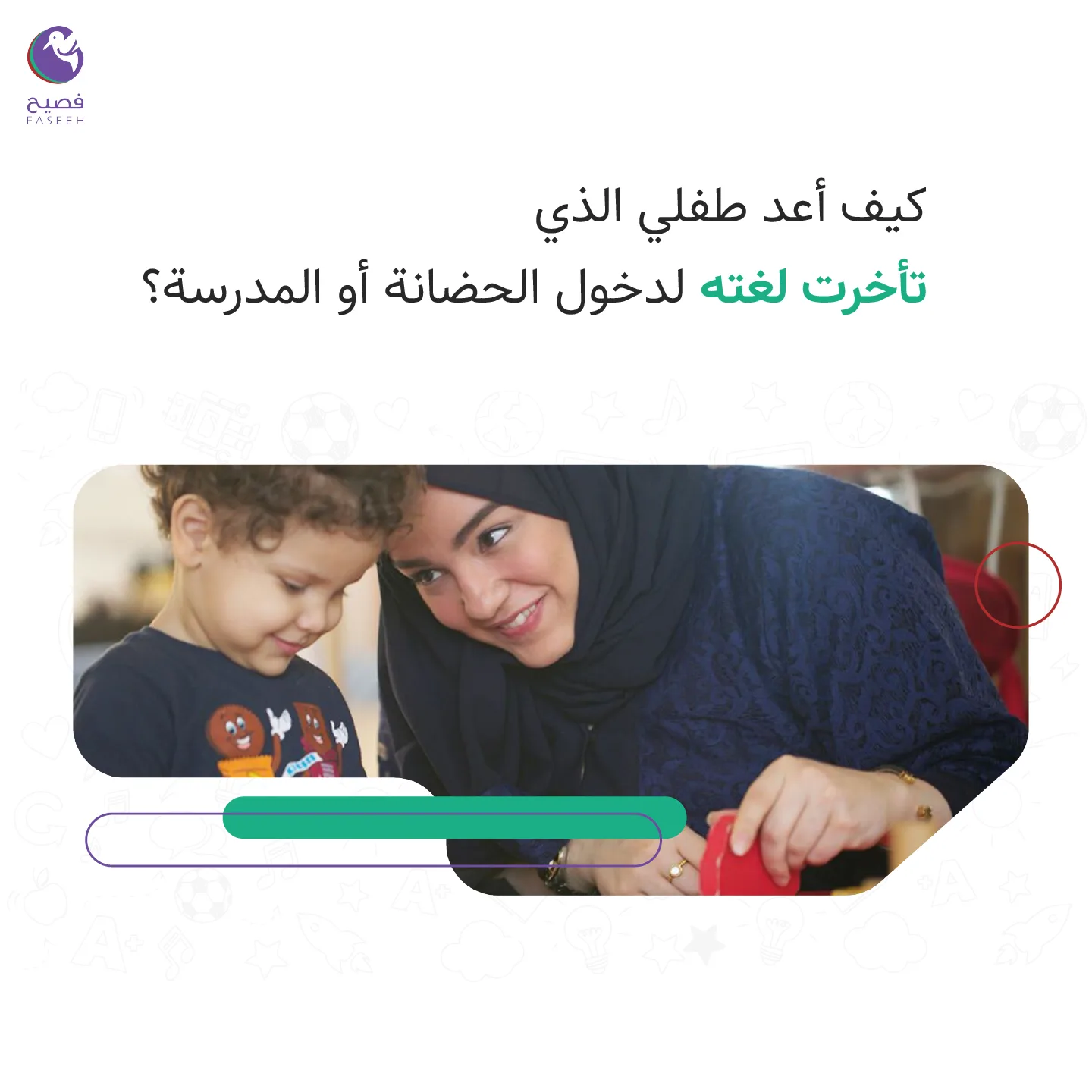
How Do I Prepare My Language-Delayed Child for Preschool or School?
December 12, 2022
If you believe your child has delays in language and social skills, preparing for a major transition like entering kindergarten may feel particularly difficult. The months and weeks leading up to entry can bring many questions: Will the teachers and staff understand my child's needs? Will my child be accepted and respected in this new environment? What if they cannot speak if other children are unwelcoming?
These questions can cross the mind of any family before moving their child to a new environment, but for those who have a child who cannot communicate yet, they can feel even more anxious. And the questions may persist, especially if the child cannot tell the family about their day.
In this article, you will find a list of strategies that can help your child prepare for entering a new environment, and how you can help them adapt with high efficiency 👇🏻
The first thing we will tell you is something you already know—but we will tell you anyway: "Your child will be fine," because as a parent, you will make sure yourself to choose the right place for them. And if you are reading this article, it means you are already thinking about how to prepare the child for the transition, and this is the most important step forward.
And here is the second thing you should know: you and your child will meet loving, caring, and kind people along this journey, as teachers and caregivers have chosen their work because they care about supporting the children they work with. They also want your child to thrive and will do their best to support them.
It is also helpful to remember that speech and language delay is common in the early years, affecting one in ten children, so the teachers and staff you encounter will have experience dealing with this.
Follow the following strategies to support your child in the new preschool \ school:
1. Find out what the school or program expects from your child
When it comes to your child, you are the expert who knows very well what environment is right for them. In the first few days, learn about the program that the school \ preschool offers your child, and if it does not seem appropriate for their needs, it is preferable to contact the child's teacher to learn more details about what they offer.
"Do they expect children to go to the bathroom independently?"
"Do they have structured activities, or do they expect children to freely explore their interests and choices?"
These are some questions that will help you find the best fit for your child.
It is natural to have a set of ideas and assumptions that do not necessarily match your child's needs, and you may receive a lot of advice from parents who have children with speech delays. Also, many places may seem wonderful when searching, but they might not have the support system your child needs.
At this stage, you need to rethink your search criteria based on their needs—and what resources they need from a new environment to achieve success. Once you clarify that, it will be easier for you to find the right fit.
2. Share your child's strengths, interests, and needs with the staff
The best thing you can do in this step is to create a one-page note describing your child. It might be just a few simple words and sentences, yet it will create a very effective impact in preparing their future teachers and caregivers to prepare an educational program and activities suitable for them.
Your form can include any tips or facts you want teachers to know, such as:
What gets your child excited?
How do they interact with other children and adults?
What makes them feel valued and cared for?
Sharing these insights can make the transition process smoother for everyone—and can help put your mind at ease too.
Originally published in Arabic. This English version was produced with AI-assisted translation; the Arabic original remains the reference.