

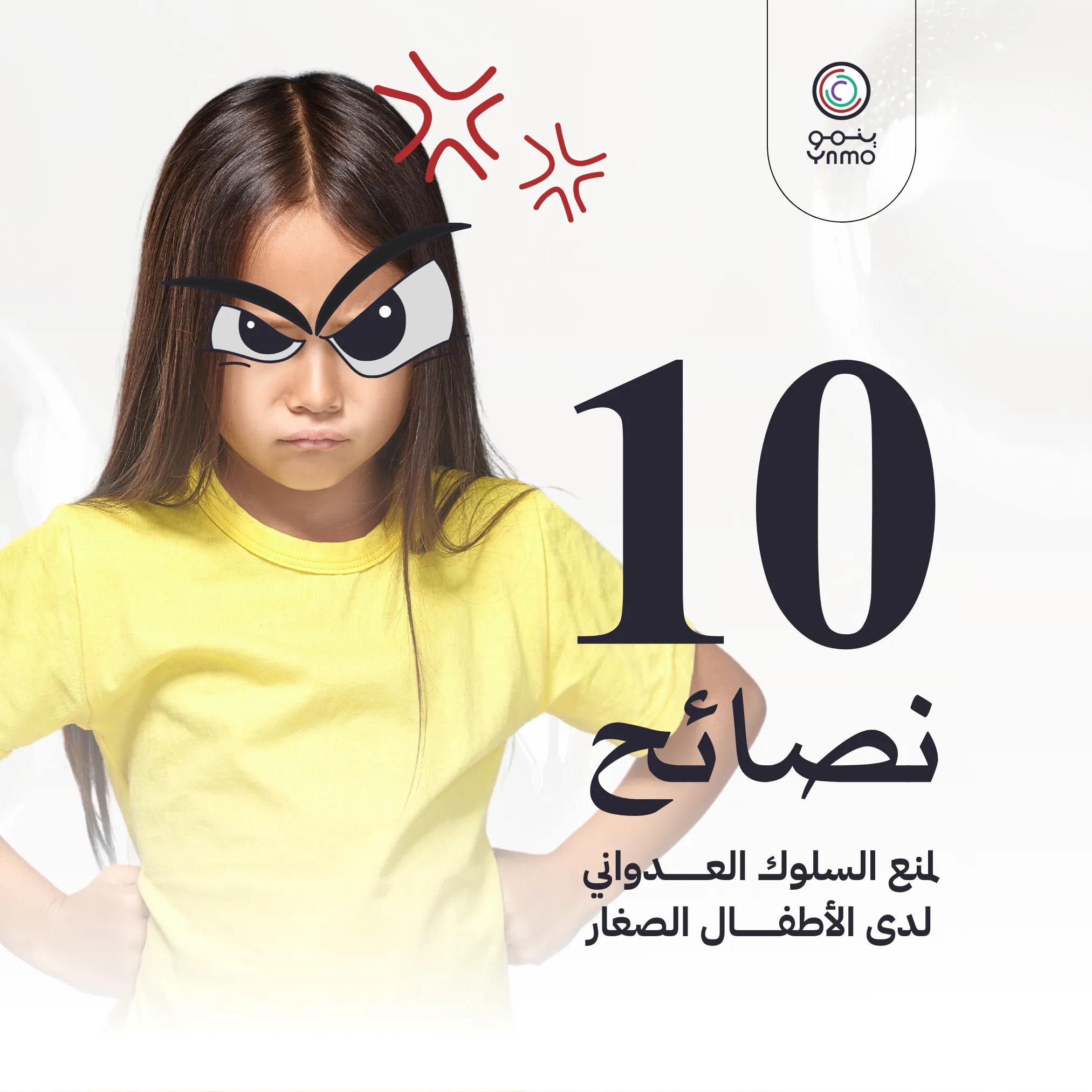
10 Tips to Prevent Aggressive Behavior in Young Children
January 21, 2025
There may be times when your heart is warmed by your child's behavior in interacting with you or their surroundings, and at other times you may feel frustrated when they engage in negative behaviors. However, remember that when your child reaches early childhood or preschool age, they may lack the self-control to express their anger in a calm manner, and this is common among children at this stage.
Instead of acting calmly, your child might act violently, such as hitting or biting when they feel frustrated. While occasional outbursts are normal—especially during temper tantrums—there are steps you can take to guide your child's behavior, including:
- Teach family rules. Children do not automatically understand the rules you think they understand; teach them the rules and set clear expectations for their behavior.
- Control your emotions. Remember that young children do not have full self-control; they need you to teach them how to express their feelings in words instead of kicking, hitting, or biting when they feel angry.
- Avoid threats. Instead of saying "Stop or you will be punished", it is always better to teach your child an alternative behavior. Ignore the bad behavior for a short time, then tell your child what they should do instead without imposing a punishment or setting a condition.
- Express your appreciation. For good behavior discipline to be most effective, it should be done consistently, not only when your child misbehaves. Tell your child what a "champion" they are when they behave appropriately instead of hitting, kicking, or biting. Offer genuine praise and affection when your child behaves in a way you like, such as being kind and affectionate.
- Intervene at the right time. Watch your child closely and follow their conflicts with their playmates. If the problem is minor, you can step back and let the children resolve it themselves. Otherwise, intervene if the conflict escalates into a physical fight that continues even after they are told to stop. The same applies when one child seems to be in a rage and is hitting or biting the other. Separate the children and keep them apart until they calm down.
- Teach compromise. Teach your child to say "no" in a firm tone, turn their back, or reach a compromise instead of fighting physically. By being a role model, teach them that resolving conflicts with words is more effective and more civilized than using physical violence.
- Use healthy distractions. While teaching your child appropriate ways to respond, there is no harm in distracting them when they start to get upset. Engage them in another activity that can help calm them down. Just avoid "bribing" them to change their behavior.
- Remove them from the activity. It is okay to use a time-out when your child's behavior is inappropriate. A time-out should be the last resort and used calmly and wisely.
- Control your temper. One of the best ways to teach them appropriate behavior is to watch your own temper. If you express your anger in calm and peaceful ways, your child is likely to follow your example.
- Stay strong. If you have to discipline your child, do not feel guilty about it and do not apologize. If your child senses your mixed emotions, they may think they were right all along and that you are the "bad guy".
Although disciplining a child is not fun, it is sometimes a necessary part of parenting; your child needs to understand when what they are doing is wrong. Teach them to take responsibility for their actions and be prepared to accept the consequences. Have you noticed negative behaviors in your child?
At Ynmo Tifli, we offer you consultation sessions with certified specialists dedicated to modifying negative behavior in children into positive behaviors in a scientific, systematic, and effective manner.
Book a session now and attend it from your home!
References:
Adapted from Caring for Your Baby and Young Child: Birth to Age Five 7th edition (Copyright © 2019 American Academy of Pediatrics)
Click here to go to the article
Originally published in Arabic. This English version was produced with AI-assisted translation; the Arabic original remains the reference.