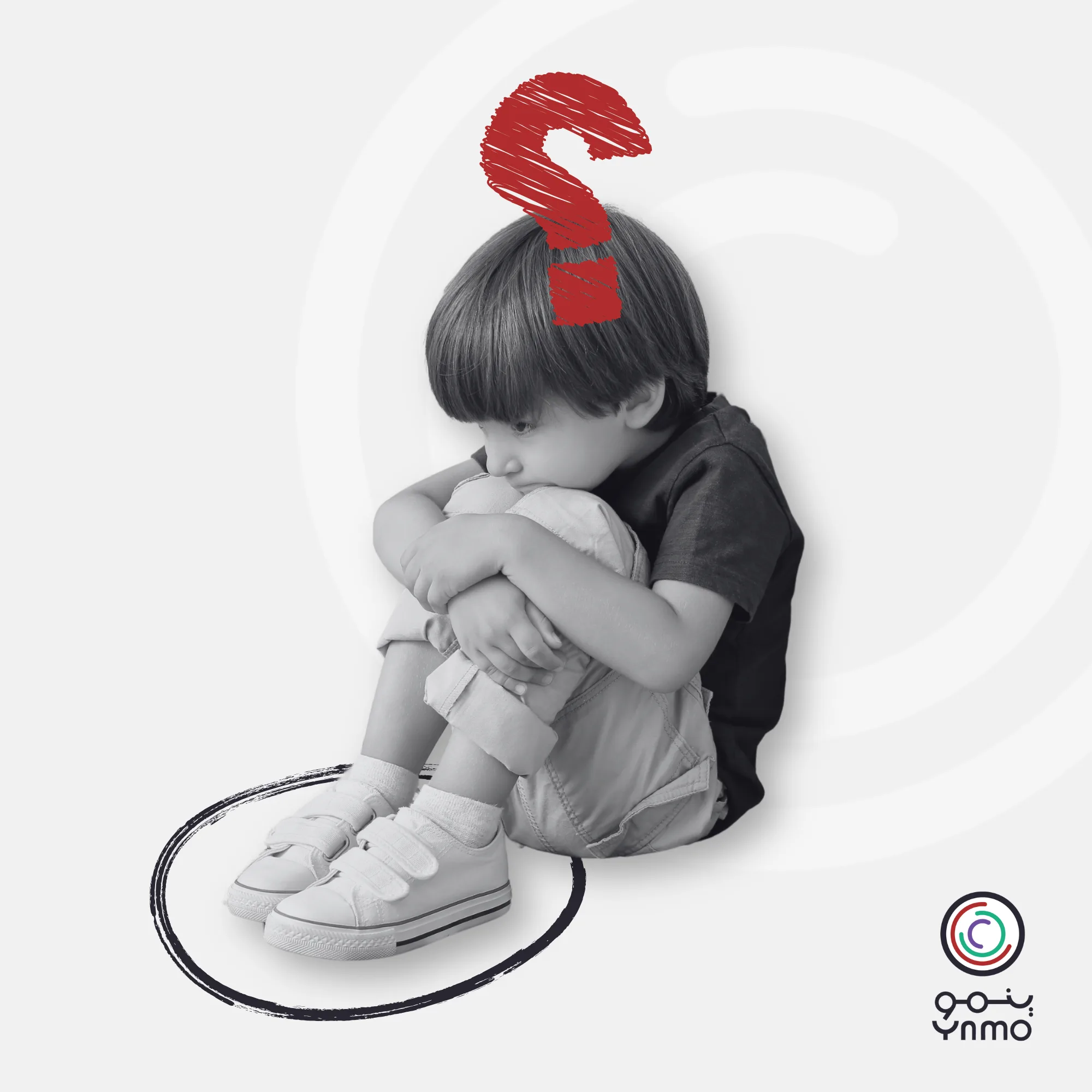


How Parents and Specialists Collaborate to Support Child Development
A child spends an hour or two a week with their specialist, and spends the rest of their time with their family. Therefore, the most successful early intervention programs are those that make the family a partner in therapy rather than a spectator, which is what scientifically proven models such as Hanen parent training programs are based on.
What makes the partnership successful?
- Shared goals: The plan begins with the family's priorities, and both parties understand what we want and why.
- Training, not lecturing: The specialist shows the parents the strategy in practice, then they try it in front of them and receive their feedback.
- Integrating skills into routines: There is no need for extra sessions, but rather utilizing eating, dressing, bathing, and playtime as opportunities for learning.
- Regular communication: A short message after each session about the goal and how to practice it at home, along with notes from the family on what they observed during the week.
- Consistency: When everyone uses the same approach in addressing a behavior, the child learns faster.
For families: You do not need to become specialists, but rather to master three or four strategies and apply them consistently. Ask after every session: What do we do this week?
For practitioners: Dedicate a few minutes of each session to coaching the parent, as its impact extends for hours outside the session.
This partnership can also begin at home, through telepractice sessions in which the specialist sets a goal for the child and another for the family for each session, so the parents learn how to support their child in their natural environment.
Originally published in Arabic. This English version was produced with AI-assisted translation; the Arabic original remains the reference.
Related articles