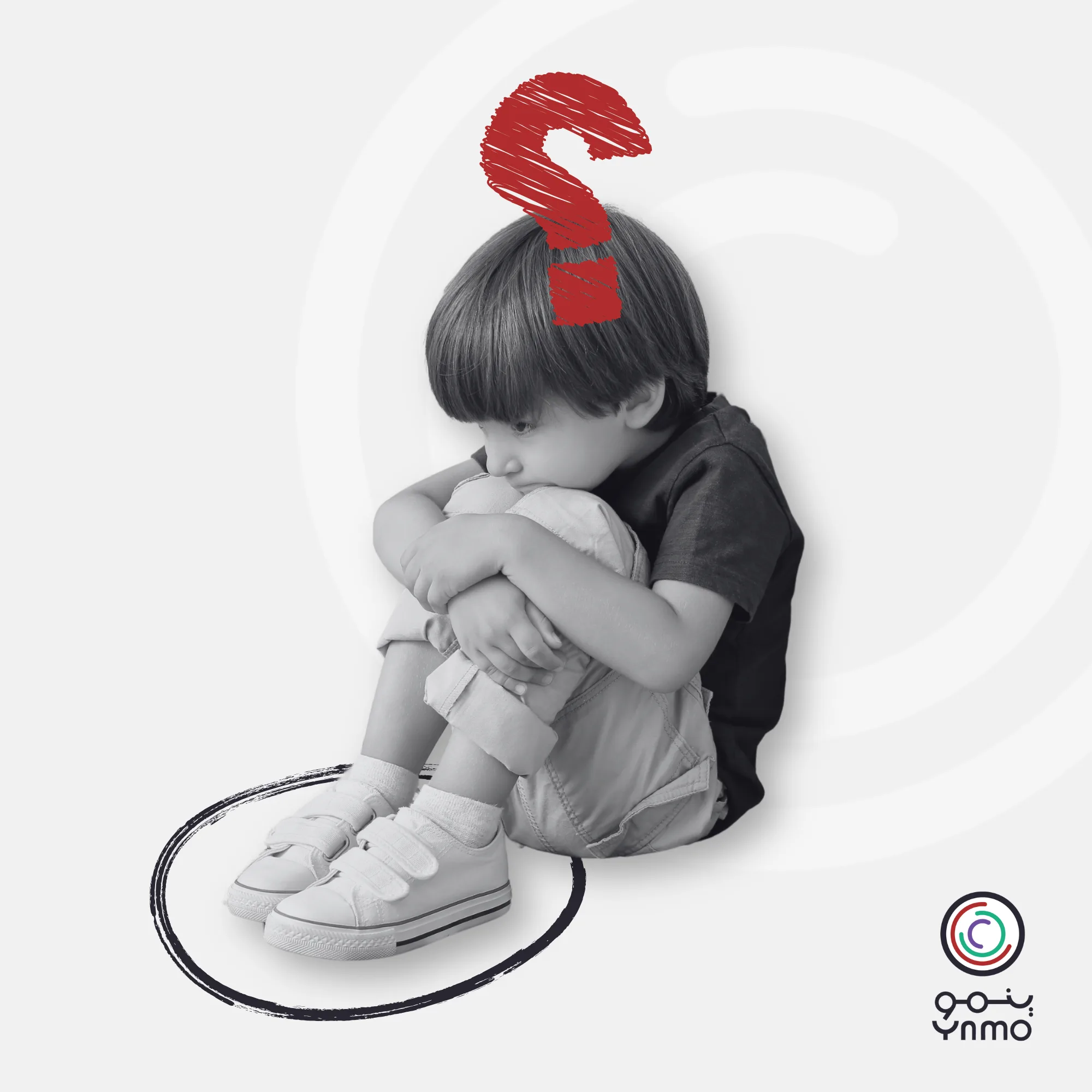


What Should I Do If My Child Is Delayed in Reaching Developmental Milestones?
The first thing to know is: a delay is not a final verdict, and early action is the greatest thing you can offer your child. A child's brain reaches approximately 80% of its adult size by age three, making these the years most responsive to intervention.
- Do not wait: The phrase "wait until they grow up" is one of the biggest reasons children's access to support is delayed. If you feel concerned, act now.
- Identify the area accurately: Is the delay in language alone, in motor skills, or across multiple areas? A standardized developmental screening answers this question clearly.
- Check hearing: Any speech delay requires verifying that hearing is intact first.
- Consult a specialist: A pediatrician, speech-language pathologist, occupational therapist, or behavior analyst, depending on the area. There is no need to postpone this step because of waiting lists; fora remote consultation session with a licensed specialist provides you with an initial assessment and clear steps within days.
- Start early intervention: A program with specific goals and a known duration, in which the family is an essential partner, not merely a companion.
- Turn your day into learning opportunities: Talk to your child during meals and bath time, read with them daily, play with them on the floor, and reduce screen time.
And do not blame yourself: Developmental delay does not mean neglect on the family's part. What matters now is the next step, and many children who receive early support make remarkable progress.
For practitioners: When making a referral, provide the family with a specific next step and a clear destination, as a general referral often gets lost between appointments.
Originally published in Arabic. This English version was produced with AI-assisted translation; the Arabic original remains the reference.
Related articles