

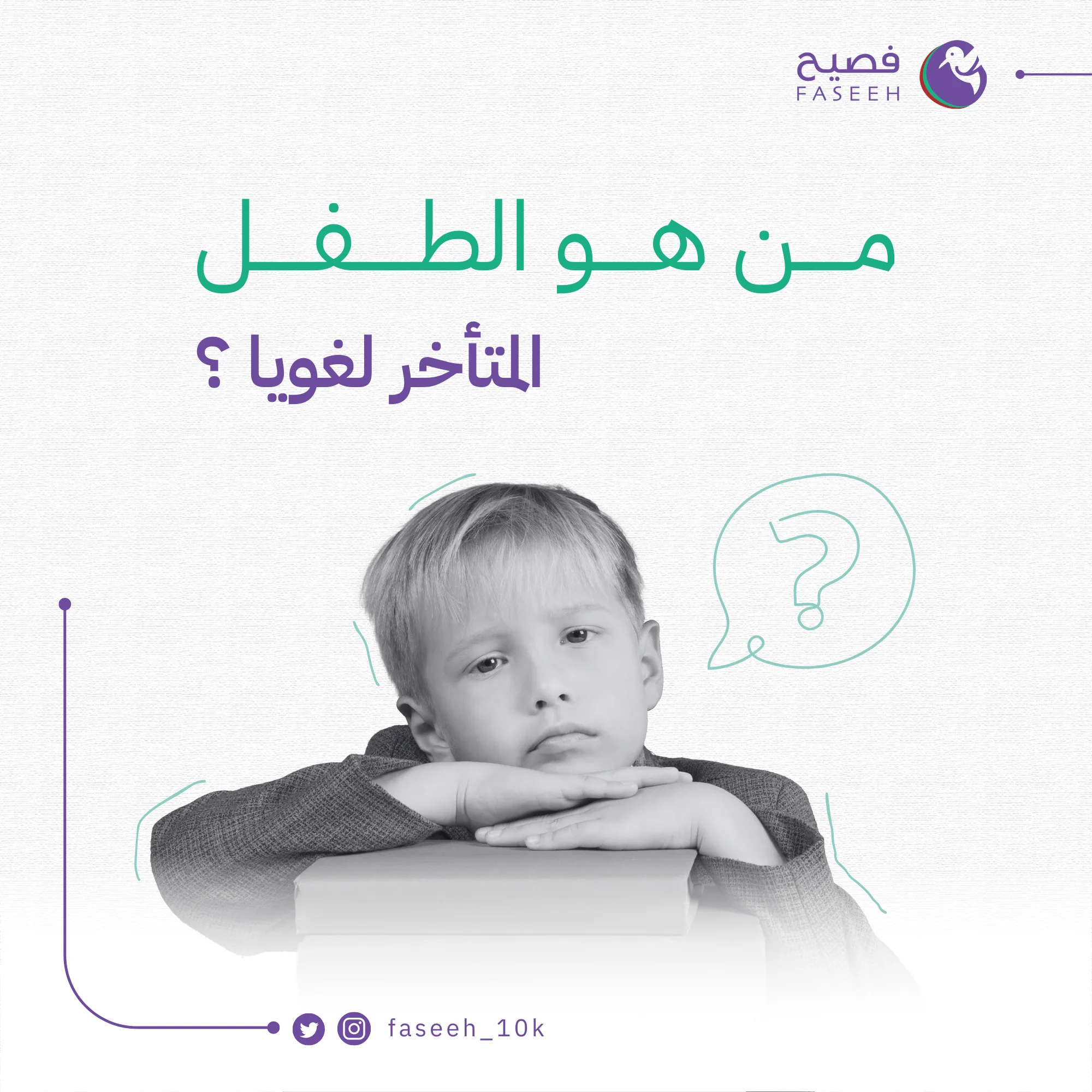
Who Is a Late Talker?
July 20, 2023
Hearing your child speak is one of the most joyous and rewarding moments of parenthood. If you are waiting for your child to say their first words, it is completely normal to wonder—is my child late in talking? And is there anything I should be worried about?
According to the American Speech-Language-Hearing Association (ASHA), late language emergence is defined as a delay in language development in a child who is developing typically. In general, this refers to a child who has fewer than 50 words and no two-word phrase combinations by age two. While a child under the age of two might not be classified as a "late talker," there are skills we expect to see that can predict whether your child may experience a delay.
We previously shared a post on speech and language red flags that you can use as a general guide to see if your child's language skills are on track.
Before jumping to any conclusions, let's quickly review how children communicate and what is considered language.
How Do Children Learn Language?
Children begin learning speech from the moment they are born. Long before a child utters their first word, a variety of skills and abilities emerge that form the foundation of spoken language. These include:
- Babbling
- Producing various sounds
- Following directions
- Interacting with their surroundings and using a variety of gestures to communicate.
All of these skills are crucial steps toward language development. In fact, social interaction and nonverbal communication are among the most important precursors to spoken language. This can include using eye contact to share attention or imitating actions. Specifically, we know that the use of gestures is one of the strongest predictors of later language development (Sansavini et al., 2021). Research shows that gesture use at 16 months predicts spoken language skills at 3 years of age (Capone & McGregor, 2004).
While a late talker is defined as a child over two years old, the lack of gesture use in younger children can predict whether a child will become a late talker. Gestures can include simple actions such as handing over objects, reaching out to be picked up, and pointing, as well as more complex actions later on, like flapping arms to indicate a bird and using signs.
All of this is to say that if your child is not speaking words yet, it does not mean they are not communicating with you. In fact, be sure to count your child's signs and complex gestures as words when considering whether your little one is developing properly or not.
Do I Need to Worry?
There is a wide range of variation in how children develop language. Around 11–18% of toddlers are identified as late talkers. The majority of these children go on to catch up with their peers; however, about 20% struggle to do so and remain at risk for persistent speech and language delays.
If your child is late in talking, it is important not to "wait and see." Take early action and book a free consultation with one of our speech therapists by downloading the Ynmo Plan app and clicking here!
What Can I Do Right Now If My Child Is Late in Talking (or Has Delayed Language)?
There is plenty you can do right now to support your child's language development. Children learn language through interacting with you—whether you are reading, playing together, or simply going about your daily routine like riding in the car or tidying up the house. Talk to your child in short, simple sentences about things that interest them, emphasizing and exaggerating key words.
Get down to your child's eye level so they can communicate with you easily and you can better see what catches their attention. Model and exaggerate the use of gestures; this helps all children, but is especially important for late talkers.
Want more ideas to help boost your child's language development?
Check out our app to screen your child's language and ensure healthy development, and explore the blog for activities and strategies you can start using right away to help your child!
Download the Ynmo Plan app
References:
https://www.babbly.co/blog/what-is-a-late-talker
- rican Speech and Hearing Association. (n.d.). Late language emergence. ASHA Practice Portal. https://www.asha.org/practice-portal/clinical-topics/late-language-emergence/#collapse_6
- Capone, N. and McGregor, K. (2004). Gesture development: A review for clinical and research practices. Journal of Speech, Language, and Hearing Research. 47(1), 173-186. https://doi.org/10.1044/1092-4388(2004/015)
- Sansavini, A., Favilla, M.E., Guasti, M.T., Marini, A., Millepiedi, S., Di Martino, M.V., Vecchi, S., Battajon, N., Bertolo, L., Capirci, O., Carretti, B., Colatei, MP., Frioni, C., Marotta, L., Massa, S., Michelazzo, L., Pecini, C,. Piazzalunga, S., Pieretti, M., … Lorusso, M.L., Developmental language disorder: Early predictors, age for the diagnosis, and diagnostic tools. A scoping review. Brain Sciences. 11(5), 2021, 654- doi: 10.3390/brainsci11050654. PMID: 34067874; PMCID: PMC8156743.
Originally published in Arabic. This English version was produced with AI-assisted translation; the Arabic original remains the reference.