


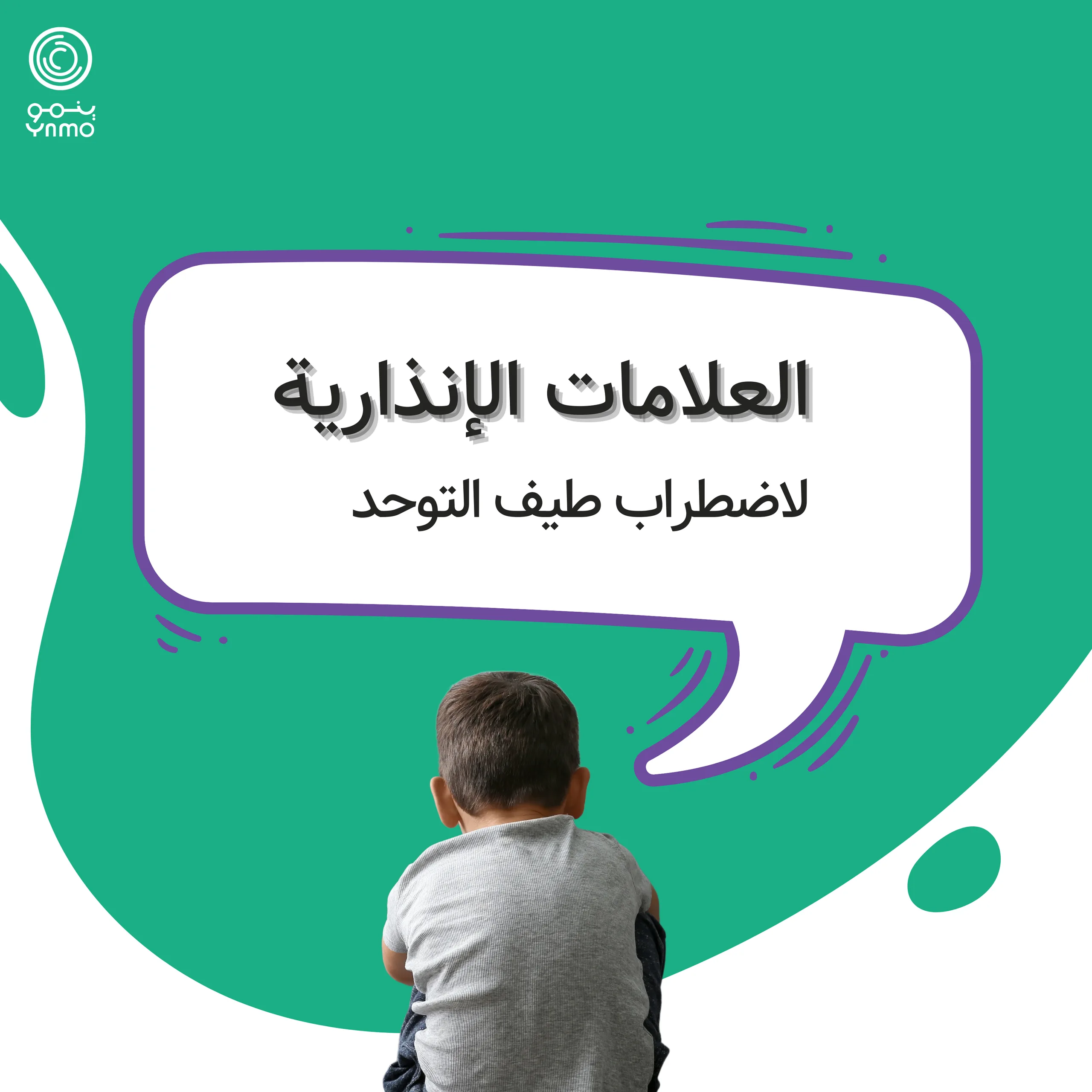
Warning Signs of Autism Spectrum Disorder
October 25, 2021
Autism is not a single disorder, but a spectrum of disorders with shared symptoms. Every individual with autism spectrum disorder experiences difficulties to some extent in social interaction, communication, and behavior. Symptoms vary from person to person. However, the level of impairment and combination of symptoms vary greatly from one person to another. In fact, two children with the same diagnosis may look very different when it comes to their behaviors and abilities.
If you are a parent dealing with a child with autism spectrum disorder, you may hear many different terms, including high-functioning autism, atypical autism, autism spectrum disorder, and developmental disorder. These terms can be confusing, not only because there are so many of them, but because doctors, therapists, and other parents may use them in different ways.
However, regardless of what doctors, educators, and other specialists call autism spectrum disorder, your child's unique needs are what truly matter. No one can tell you exactly what challenges your child will face. Thinking about the therapeutic approach that will meet your child's needs, rather than focusing on what to name the problem, is the most helpful thing you can do right now. You do not need a diagnosis to start helping your child.
Keep in mind that just because your child has some autism-like symptoms, it does not mean they have autism spectrum disorder. Autism spectrum disorder is diagnosed based on the presence of multiple symptoms that limit a person's ability to communicate, form relationships, explore, play, and learn.
Impaired social communication is one of the most common symptoms across all types of autism spectrum disorder. People with autism spectrum disorder do not merely have social difficulties such as shyness; rather, they experience social issues, difficulties, and some challenges in daily life.
Social Behavior and Social Understanding
Basic social interaction can be difficult for children with autism spectrum disorders. Symptoms may include the following:
- Unusual or inappropriate body language, gestures, and facial expressions (for example, avoiding eye contact or using facial expressions that do not match what they are saying).
- Lack of interest in other people or in sharing interests or achievements (for example, showing you a drawing, pointing at a bird).
- Poor interaction with others.
- Difficulty understanding other people's feelings, reactions, and nonverbal cues.
- Resistance to touch or being held.
- Difficulty making friends with children of the same age.
Every individual with autism spectrum disorder has different communication skills. Some individuals can speak well. Others can speak very little or not at all. About 40% of children with autism spectrum disorder do not speak at all. About 25%–30% of children with autism spectrum disorder have some words at the age of 12 to 18 months and then lose them, while others may speak.
Many children with autism spectrum disorder struggle with understanding communication. Symptoms may include the following:
- Delay in learning to speak (after the age of two) or not speaking at all.
- Speaking in a different tone of voice or with a specific rhythm.
- Repeating words or phrases over and over without communicative intent.
- Difficulty initiating or sustaining a conversation.
- Difficulty expressing needs or wants.
- Difficulty understanding simple statements or questions.
- Taking what is said too literally, and not understanding jokes.
- Restricted behavior and play.
Children with autism spectrum disorder are often rigid in their behaviors, activities, and interests. Symptoms may include the following:
- Repetitive body movements (hand flapping, body rocking).
- Strong attachment to unusual objects (rubber bands, keys, and light switches).
- Preoccupation with and interest in a specific topic, sometimes involving numbers or symbols (maps, license plates, and sports statistics).
- Insistence on order and routine (for example, lining up toys, following a strict schedule). Becoming upset by a change in their routine or environment.
- Interest in spinning objects, moving parts, or parts of toys (such as spinning the wheels on a race car, rather than playing with the whole car).
- Overreacting to sensory input (for example: reacting unusually to certain sounds or textures, appearing indifferent to temperature or pain).
Other symptoms accompanying autism spectrum disorder:
Some people with autism spectrum disorder have other symptoms. These may include:
- Hyperactivity
- Impulsivity
- Distractibility.
- Aggression
- Self-harm
- Temper tantrums
- Unusual eating and sleeping habits
- Unusual mood or emotional reactions
- Lack of fear or more fear than expected
- Unusual reactions to the way things look, smell, taste, sound, or feel
Source:
.https://www.cdc.gov/ncbddd/autism/signs.html
.https://www.helpguide.org/articles/autism-learning-disabilities/autism-spectrum-disorders.htm
Originally published in Arabic. This English version was produced with AI-assisted translation; the Arabic original remains the reference.