

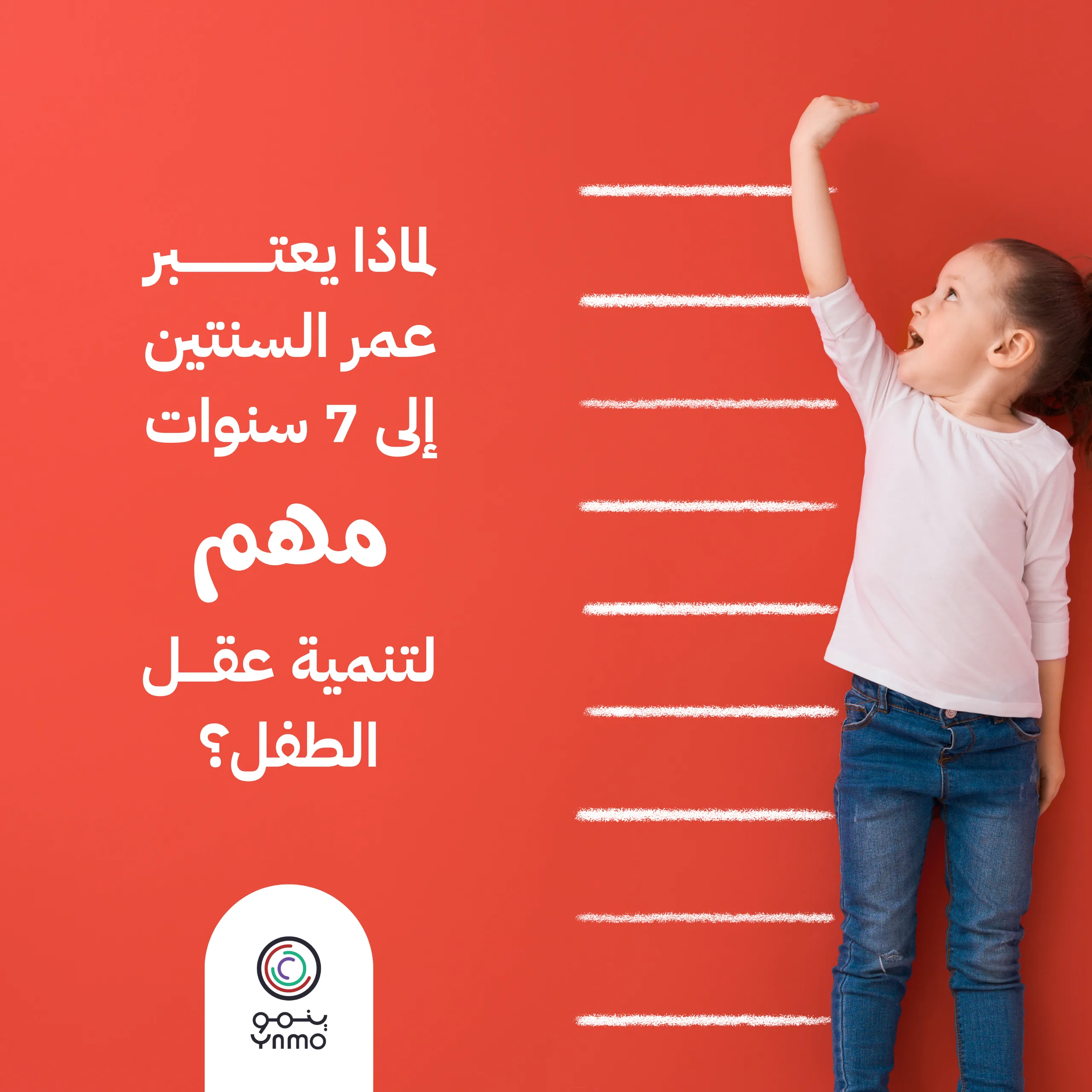
Why Are Ages 2 to 7 Critical for a Child's Brain Development?
December 19, 2021
Children's brains develop in spurts called critical periods. The first such development occurs around age two, while the second occurs during adolescence. At the start of these periods, the number of neural connections between brain cells (neurons) doubles. Two-year-olds have twice as many neural connections as adults. Since these connections between brain cells are where learning takes place, having twice as many neural connections enables the mind to learn faster than at any other period in life. Therefore, children's experiences at this stage have lasting effects on their development.
This first critical period of brain development begins around age two and ends at age seven. It provides an excellent opportunity to lay the foundation for a well-rounded education for children. There are four ways to maximize this critical period, which include encouraging a love of learning, focusing on breadth of skill development rather than depth, paying attention to emotional intelligence, and not treating young children's education as merely a prelude to "real" learning.
Encourage a love of learning
Children need to enjoy the process of learning rather than focusing on performance. Educators and parents can emphasize the joy of trying new activities and learning something new. We need to help children understand that mistakes are a normal part of learning.
This period is also the right time to establish a growth mindset, which is the belief that talents and abilities can be developed through effort rather than being innate. Specialists should avoid labeling children with generalized statements about their abilities. Even compliments like "you are so smart" are counterproductive. Instead, focus on perseverance and creating safe spaces for learning. Children will learn to love learning if we show enthusiasm for the process rather than focusing on results.
Focus on breadth of skill development rather than depth
One way to avoid focusing on results during this stage of development is to emphasize breadth of skill development rather than depth. Exposing children to a variety of activities lays the foundation for developing skills across a range of areas. This is the right time to involve children in reading, sports, mathematics, art, science, and languages. Engaging children in diverse activities is important, especially for children aged 2 to 7 years. Their developing brains are ready to absorb a wide range of skills during this period in which children's skills are developed in several areas; know also that there is plenty of time to specialize and focus on a single skill later.
Do not neglect emotional intelligence
Yes, we want children to read well and learn the fundamentals of mathematics. But we should not ignore emotional intelligence. The learning advantages during this first critical period of brain development should extend to interpersonal skills such as kindness, empathy, and teamwork.
Daniel Siegel and Tina Payne Bryson explain the importance of developing children's empathy in their book The Whole-Brain Child. Empathy begins with a person acknowledging their feelings. Therefore, they suggest helping children in this age group label their emotions ("I feel sad") and then tell the story about what made them feel that way ("I feel sad because I wanted ice cream and you told me no"). Once children practice labeling emotions, educators can begin asking questions that encourage them to consider the feelings of others.
One way to encourage caring for others is to involve children in what adults do for others. Even allowing young children to help with household chores can make them more helpful and considerate.
Do not treat children's education as a step preceding real learning
Children's brains can uniquely absorb information during this critical stage. If intelligence is defined as the ability to learn, children aged 2 to 7 years may be the smartest humans on the planet.
Research indicates that certain skills cannot be learned to the same degree after this first critical period of brain development. For example, research shows that children in this age group are best suited to learn patterns of language development, enabling them to master a second language at the same level as a native language. After that, once children reach age eight, their language-learning proficiency decreases, and second languages are not spoken like native languages.
Originally published in Arabic. This English version was produced with AI-assisted translation; the Arabic original remains the reference.