


How Can I Uphold Professional Ethics When Working with Persons with Disabilities?
August 27, 2019
Working with persons with disabilities is among the noblest and most responsible endeavors. You provide support to an individual that may help alter the course of their life and the lives of the family behind them, elevating their quality of life. In the event of shortcomings, there may be liability and negative impacts on the child themselves and their family. Here, we outline several ethical considerations that, when followed, elevate the standard of services provided to persons with disabilities.
- Clarity
There must be high clarity and transparency with the family when presenting the assessment report (or what sometimes falls under the present level of performance) and describing their child's condition and abilities. This is only possible through using recognized tests and assessments that identify strengths and weaknesses based on the type of service provided.
The child's progress report, which explains their performance over a previous period (for example, the past 3 months) across several areas (social, academic, play skills, self-care, behavioral), must be detailed and objective. Yes, you should be positive and highlight areas of progress and strengths in their child. However, you must also clarify areas of deficit/improvement that need to be addressed. Do not give the family false or unrealistic hopes, as this may reflect negatively on you. Do not write that the child has mastered a specific skill or goal without your assistance when they in fact require help. Accuracy in selecting goals and writing the report objectively will contribute to the child's progress and foster a realistic understanding among the family regarding their child's level and condition.
- Specialization
Services must be provided within the field in which you were educated and received theoretical and practical training. For example, if I am a specialist in providing special education services, I cannot offer consultations to the family and provide training to the child in improving alphabet letter articulation if I have not received intensive training in it (this area falls under the scope of a speech-language pathologist). Another example: if I am a supervisor and a child's mother asks me about a medical treatment method, I cannot endorse or refute what she claims because that is outside my specialty. What can be done is directing them to the family physician to inquire about that condition. Beware of promoting a treatment method not backed by rigorous research; it may be physically harmful or detrimental to the child's performance, and it may financially exhaust the family without yielding any tangible benefit.
- Practical Clinical Experience
It is important to hold an academic degree in a specific field, and that may help you secure a job in that field; however, that does not necessarily mean you have the practical experience accompanied by supervision from an expert in the field.
- Acknowledging That You Do Not Know Everything
Do not claim to know everything; rarely is there an individual knowledgeable in all the skills and expertise required to serve different categories of persons with disabilities, or even two children who share the same diagnosis. For example, you may have experience working with children with Down syndrome who are under the age of seven, teaching them communication and social interaction skills and other skills taught at that age; however, you might not have the experience to work with adolescents and adults with Down syndrome and teach them vocational skills.
Side Note
How long does it take you to become an expert?
To become an expert, you may need approximately more than ten thousand (10,000) hours of deliberate practice and ongoing support and feedback from your supervisor across various areas (equivalent to 20 hours weekly for 10 years). This feedback continuously shapes your performance; at that point, you may become an expert in that field.
Prepared by: Ynmo Team
Originally published in Arabic. This English version was produced with AI-assisted translation; the Arabic original remains the reference.
Related articles
Is Your Child’s Language Developing Properly?
The Best Mistake I Made as a Special Education Teacher
The Role of Technology in Reducing Teacher Stress
The Golden Difference in My Students' Lives
How Do We Train Parents in Early Intervention?
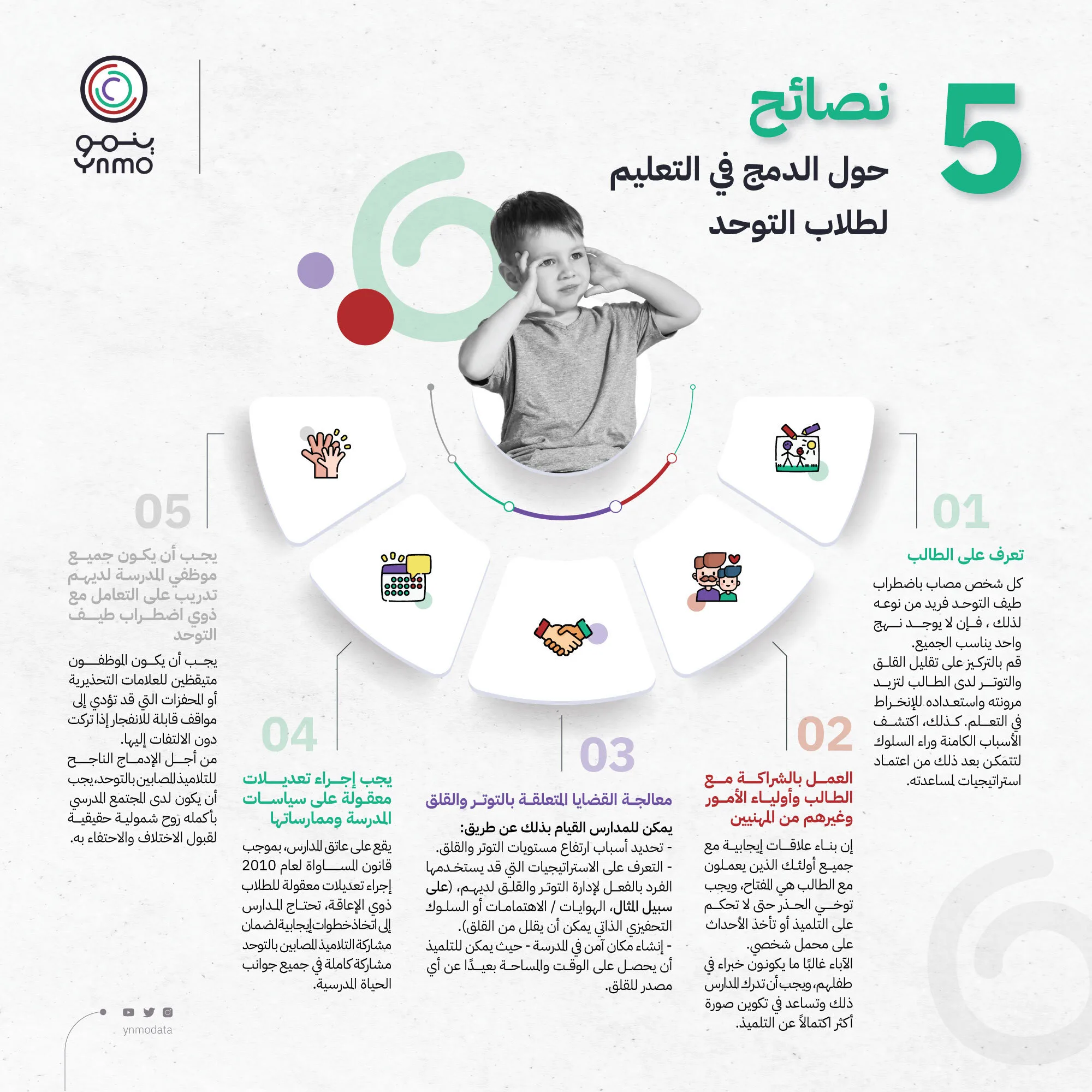
Top 5 Autism Tips: Inclusion in Education