

How Do Specialists Set Goals for a Child?
Goals are the heart of any therapeutic or educational plan, and a good goal answers one question: What will the child do, in what situation, and to what degree of mastery?
Where do goals come from?
- Assessment results: The specialist begins with emerging skills—those the child has started showing partially—because they are closest to being achieved.
- Family priorities: A goal that changes the family's day, such as the child asking for water instead of crying, is more important than a skill they do not need in their daily life.
- Developmental sequence: Some skills are the foundation for others; joint attention, for example, precedes many language skills.
Formulating a smart goal (SMART)
A goal should be specific, measurable, achievable, relevant to the child's life, and time-bound. So instead of "improving communication," it is written:
“Within three months, the child will request five preferred items using a single word, in 80% of opportunities, across three consecutive sessions.”
From the big goal to small steps
The annual goal is divided into short-term goals and then into weekly steps, each with a clear mastery criterion, along with a plan to generalize the skill across different people and settings.
For families: Ask: Why was this goal chosen? And how can we help achieve it at home?
For practitioners: Writing precise goals for each child takes a long time. And a tool that suggests goals derived from assessment results and what the child has previously mastered reduces this effort, leaving the final professional decision to you.
Originally published in Arabic. This English version was produced with AI-assisted translation; the Arabic original remains the reference.
Related articles

Is Your Child’s Language Developing Properly?

The Best Mistake I Made as a Special Education Teacher

The Role of Technology in Reducing Teacher Stress
The Golden Difference in My Students' Lives
How Do We Train Parents in Early Intervention?
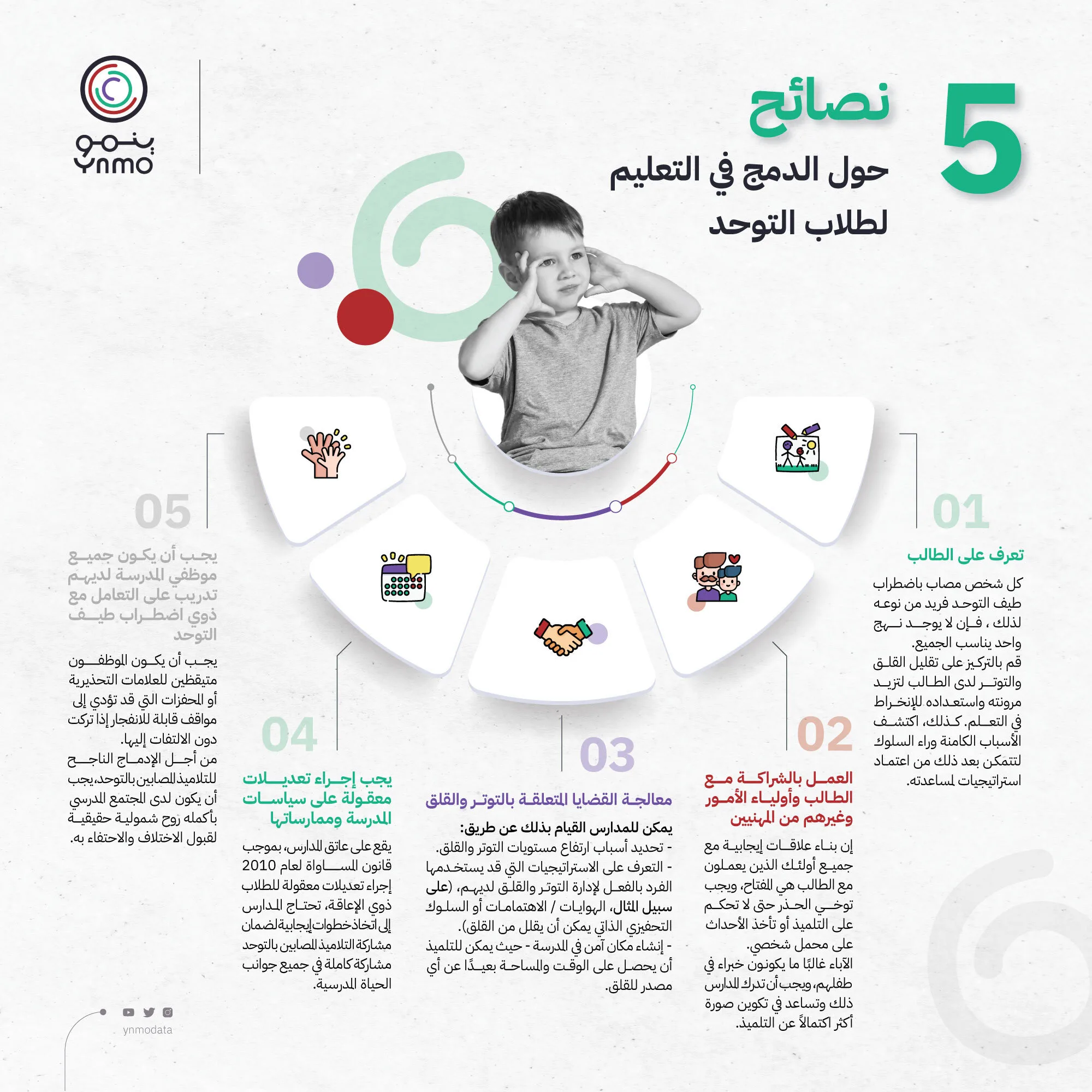
Top 5 Autism Tips: Inclusion in Education
Students' Return to In-Person Learning Means New Beginnings
How to Ensure the Success of Your Child's IEP?