


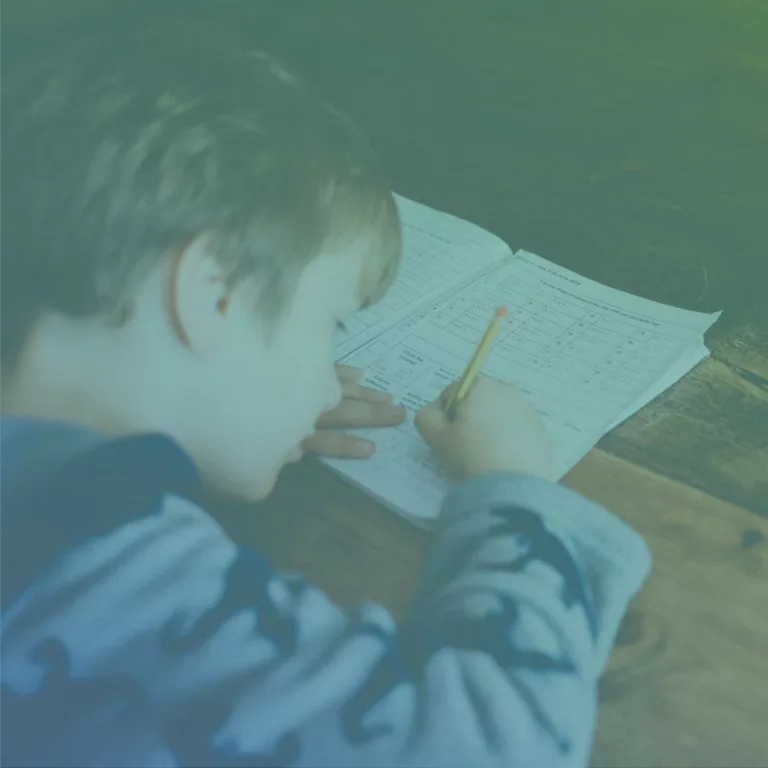
Students' Return to In-Person Learning Means New Beginnings
January 10, 2022
Returning in person means new beginnings
Some daycare and early childhood education centres remained open during the Coronavirus pandemic to provide necessary care. But for many families, the pandemic was a reason to keep their children at home. With schools reopening, this means more children will be away from home. Over the past period, many children born shortly before or during the pandemic stayed at home rather than attending an early care and education programme. For these children and their parents, an early care and education programme will be a completely new experience.
The return may be difficult for your child and your family
Young children are often wary of strangers and want to stay close to their parents and familiar, trusted people. It is difficult to explain to them that a new caregiver will protect them, which means it takes time for children to get used to new people. Anxious school-age children, or those with developmental delays, may need extra time to adapt. It is often easier for young children to make the transition if they spend some time together with their parents and the new person. Parents also often worry about their child's transition process, and it is easier for them to remain calm and reassured if they know their child's teacher and feel comfortable with them.
Returning to school during the time of physical distancing and masks is difficult
During the Coronavirus pandemic, it was important to maintain physical distance between people. Early care and education programmes and schools had to limit visitor numbers and change drop-off procedures to reduce contact; teachers and children over two years old had to wear masks. Facial expressions are used to help convey emotions and provide reassurance, so being around masked faces can increase feelings of uncertainty. During the return to school, changes in setting and routine may make everything seem different to your child. Children may realize that the risk of contracting Coronavirus is related to being around other people and may worry about getting sick. Children are generally resilient and can adapt, but strategies to protect children's health may make transitioning to new situations and new people more difficult. Parents may also feel less comfortable letting their children start an early care and education programme because they cannot visit easily and may know less about the programme and teacher than they normally would.
In addition, the Coronavirus pandemic increased stress, fear, and anxiety for many families. Many families reported increased behavioural issues in their children, including anxiety and acting out. Schools and early care and education programmes can help children and families by promoting social and emotional learning. The transition from home to school may be more difficult for children with developmental, behavioural, or emotional difficulties. Teachers, parents, and programmes can help children by planning the transition process, establishing strong bonds, and creating new routines. With the right support, children will be able to adapt to their new programme, make new friends, learn new things, and thrive.
What parents and teachers can do to support children during the return
Care and education providers know how to help children adapt. But in the case of a pandemic, and after long periods, additional support may be an important factor during the return. Here are some tips to help families through the return process:
1. Provide virtual communication with parents, such as video calls and phone meetings
2. Create virtual tours so parents can see classrooms and picture where their children will be attending
3. Arrange in-person meetings on the playground to allow children to meet the teacher and other children before the programme begins
4. Create a daily structure and routine to help children learn what to expect
5. Share information with parents of returning children about how daily routines will differ due to the Coronavirus pandemic, and how to help prepare their children for any changes
Parents can:
1. Connect with other parents who have children in the same programme and talk about the programme
2. Talk to teachers about the best way to separate from their child at the start of the day—a short goodbye is often best
3. Try to remain calm and reassured during the return—using a calm voice and a relaxed face and body to let their child know they would not leave them if the child were not safe and protected
4. Building new relationships is a skill, and with support, children can be resilient. Even if separating is difficult, they will develop a new trusting relationship with their new teacher and feel more secure
5. Ensure the child has a daily routine with regular times for healthy meals. Having a well-rested body and knowing what to expect at home helps children cope
6. Monitor their children's developmental milestones and learn what to do if there are concerns. See the developmental scales and assessments available from us at Ynmo
Schools and early childhood programmes can:
1. Provide staff development and teacher support if there is a larger number of children having difficulty returning
2. Ensure teachers receive psychological support if they are dealing with any trauma related to the Coronavirus pandemic
3. Provide quick methods of communicating with the family, such as: the Ynmo Plan app.
4. We remind you that paper reports are undesirable during COVID-19, Ynmo eliminates your need for paper reports
Originally published in Arabic. This English version was produced with AI-assisted translation; the Arabic original remains the reference.