


Understanding Intensive Behavioral Intervention
May 23, 2018
With the tremendous growth in the field of autism in recent years, there has been an increasing need for up-to-date information, effective teaching methods, and training programs for parents and teachers. In order to better understand autism spectrum disorder, it is essential to understand the best practices and intervention strategies that can be used after early detection of autism spectrum disorder in children. This is to ensure that they can access evidence-based interventions to provide the best opportunities for achieving optimal growth and outcomes. There is strong positive evidence for certain individualized interventions based on the principles of Applied Behavior Analysis, such as Intensive Behavioral Intervention. It is considered a key feature of early intervention programs and is the most researched and requested program for young children with autism spectrum disorder. Research has indicated that early intervention for many behaviors can lead to moderate to large effects on intellectual functioning, language development, daily living and social skill acquisition, and the maintenance of gains over long follow-up periods.
Intensive Behavioral Intervention is a specific application under Applied Behavior Analysis to intensively teach new skills. Intensive behavioral interventions are delivered by a qualified therapist, consisting of an intensive program highly customized to each child's needs. It is also used as an assessment tool to develop programs tailored to the individual needs and goals of each child. This program aims to alleviate autism symptoms, increase the child's learning rate, and bring their skills closer to those of typically developing children, helping them catch up with their peers socially, academically, and developmentally to ensure a smooth transition to school and inclusion into the school environment.
Children with autism spectrum disorder who experience significant developmental delays are appropriately addressed with the Intensive Behavioral Intervention model. The disorder may be severe enough that the children are unlikely to function safely at home or in the community. Intensive Behavioral Intervention is delivered on a 1:1 basis or in a small group setting. This program teaches children: listening skills, early academic skills, imitation skills, toilet training, and play skills. In addition, it works on enhancing communication skills and reducing inappropriate behaviors that may interfere with learning and social skills. An important factor in a child's success is family skills training, where parents first learn to generalize skills acquired in sessions with the therapist, and then learn how to use specific strategies to achieve and maintain low rates of behavior problems and high response rates.
In conclusion; working with children in a scientific, evidence-based manner yields unprecedented educational outcomes. The younger the child, the greater the likelihood they will benefit from an Intensive Behavioral Intervention program.
Adnan Al-Hazmi
Faculty Member at Taibah University / Department of Special Education
Originally published in Arabic. This English version was produced with AI-assisted translation; the Arabic original remains the reference.
Related articles
Is Your Child’s Language Developing Properly?

The Best Mistake I Made as a Special Education Teacher

The Role of Technology in Reducing Teacher Stress
The Golden Difference in My Students' Lives
How Do We Train Parents in Early Intervention?
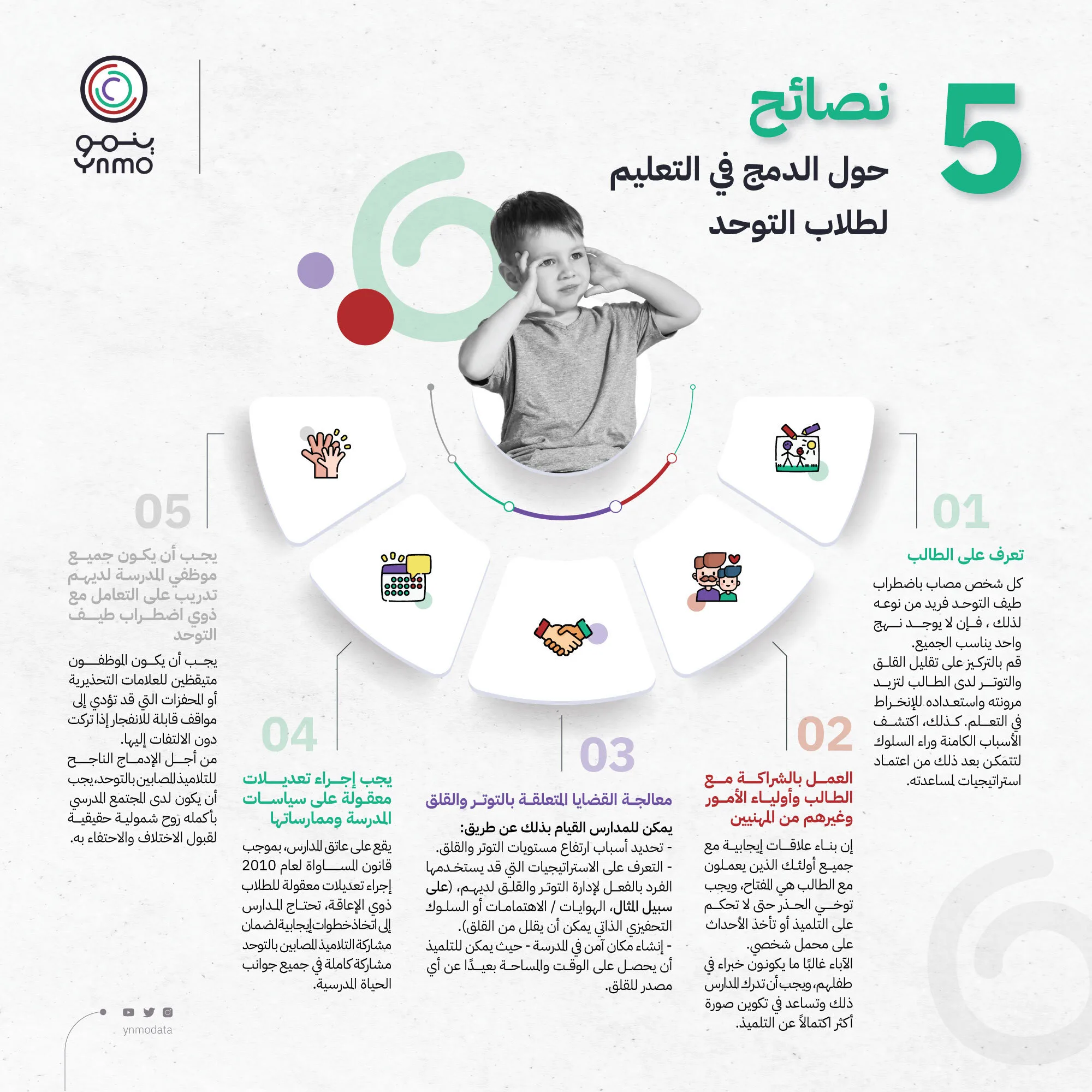
Top 5 Autism Tips: Inclusion in Education