


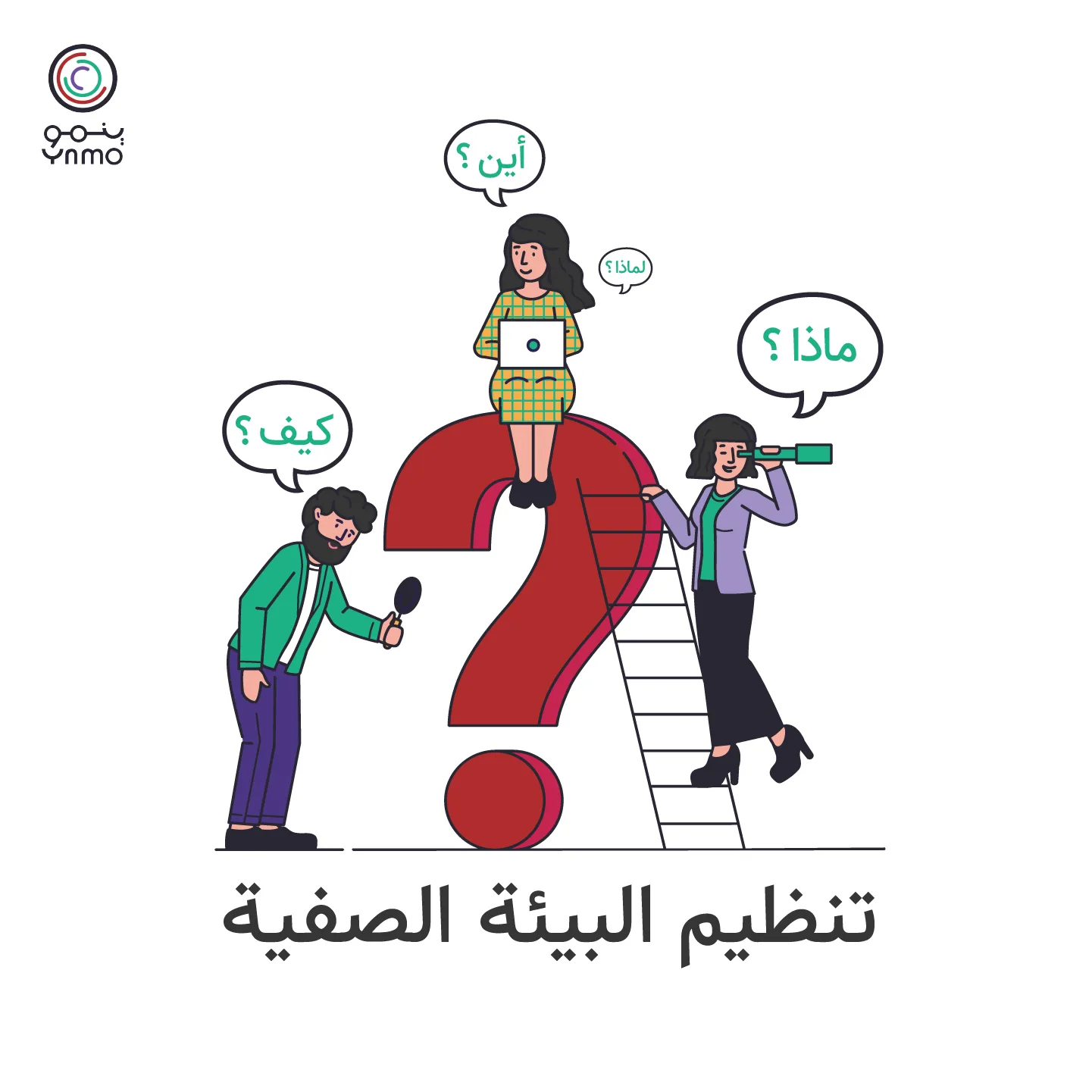
What? Where? How? Why? Organizing the Classroom Environment
November 1, 2021
The unspoken question of some students with special needs, especially those diagnosed with autism spectrum disorder, may seem to be: "What am I doing? Where do I go? How do I do it? Why am I doing it?" when they enter a new educational environment without knowing or understanding what is expected of them.
I work with students with autism spectrum disorder and similar developmental disorders; one of the most important preventive practices I implement in my classroom is organizing the classroom environment. These practices are among the most important comprehensive intervention programs for individuals with autism, known as the TEACCH program.
Organizing the classroom environment is considered an important aspect of managing student behavior. Numerous studies and research indicate that classroom order has positive factors, as it limits the occurrence of unwanted behaviors and prepares the student to predict what will happen during the school day. In an organized classroom learning environment, the student moves around the classroom easily and smoothly due to clear routines and clear visual cues through which they can understand the learning environment and acquire skills more quickly.
The use of this practice includes the following:
1. Dividing the classroom and organizing spaces
2. Using transition cards
3. Facilitating access to help and request cards fixed to the desk.
4. Organizing the presentation of activities
5. Visual schedules for each student, placing their name and photo on the schedule, and organizing their school day visually and orderly in the schedule
6. Activity schedules
7. A clear timetable
8. Using a timer
9. Establishing a specific routine, such as how the student moves around the classroom and transitions to their schedule after each learning task, after play, and so forth.
10. Organizing classroom spaces, such as placing colored tape to demarcate each learning corner and delineate the designated play area.
11. A work system, for example: when the student enters the classroom in the morning, they know how to head to their schedule, which learning area to go to, and who the teacher responsible for the work is.
12. Placing two baskets to the right and left of the student to make it easy to understand starting the task by taking the activity from the right basket and placing it in the left basket upon completion.
13. Visual instruction, using visual cues alongside their words.
Using these practices has a positive impact on making the educational environment more productive, as they:
1. Help students with autism spectrum disorder predict what will happen during the day or what will happen during the school week.
2. Facilitate communication with them in an organized manner so they understand the information presented to them.
3. Reduce the likelihood of behavioral issues resulting from sudden changes in routine, ensuring the educational process runs smoothly and in an organized manner.
When a student knows what, where, how, and why, the learning process will be easier and better for them and for their teacher.
Written by: Ms. Rahaf Al-Subhi
Reviewed by: Dr. Faisal Alnemary
References
Book: Autism Treatment, Wafaa Al-Shami; Sam, A., & AFIRM Team. (2015). Visual supports. Chapel Hill, NC: National Professional Development Center on Autism Spectrum Disorder, FPG Child Development Center, University of North Carolina. Retrieved from http://afirm.fpg.unc.edu/visual-supports
Originally published in Arabic. This English version was produced with AI-assisted translation; the Arabic original remains the reference.
Related articles

Is Your Child’s Language Developing Properly?

The Best Mistake I Made as a Special Education Teacher

The Role of Technology in Reducing Teacher Stress
The Golden Difference in My Students' Lives
How Do We Train Parents in Early Intervention?
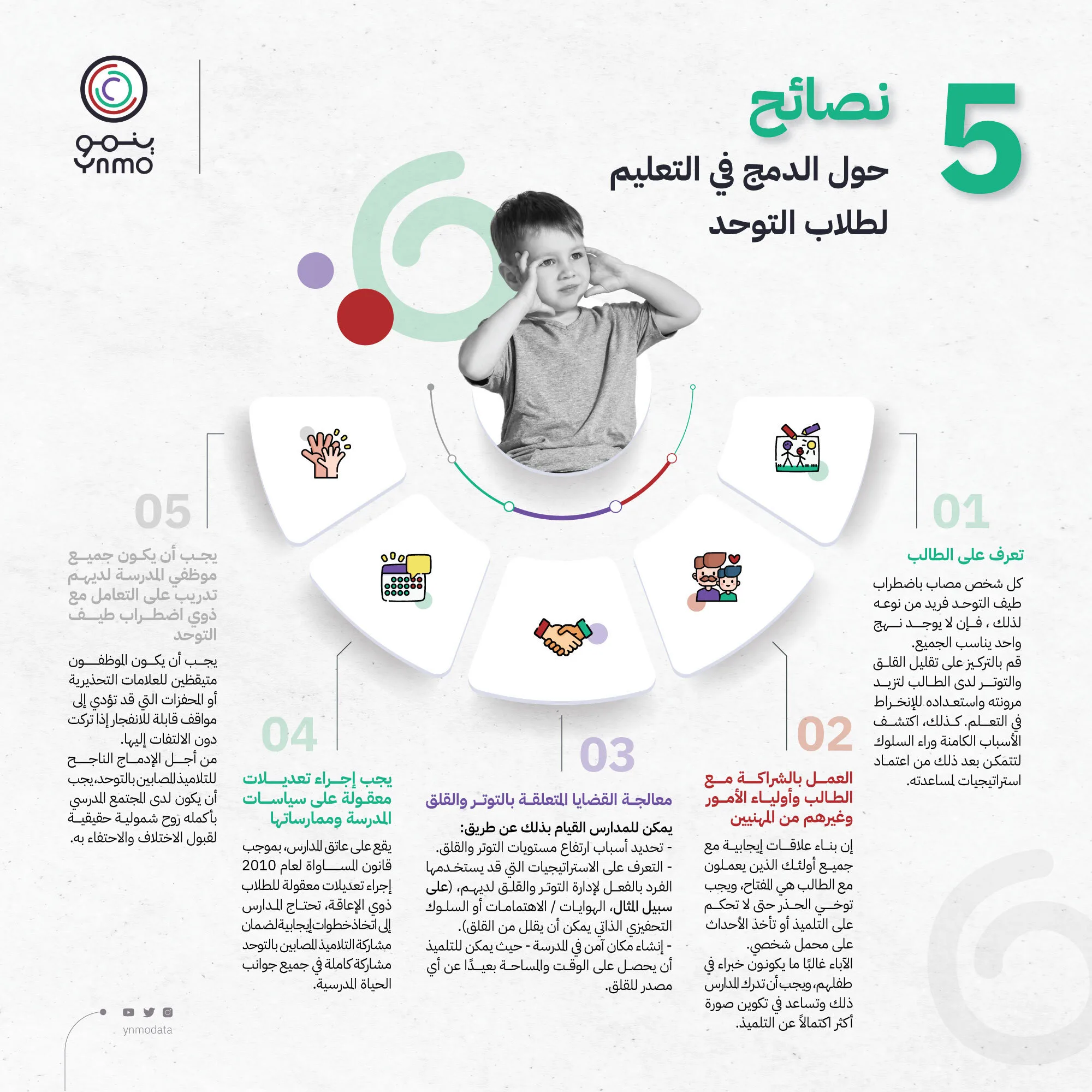
Top 5 Autism Tips: Inclusion in Education