


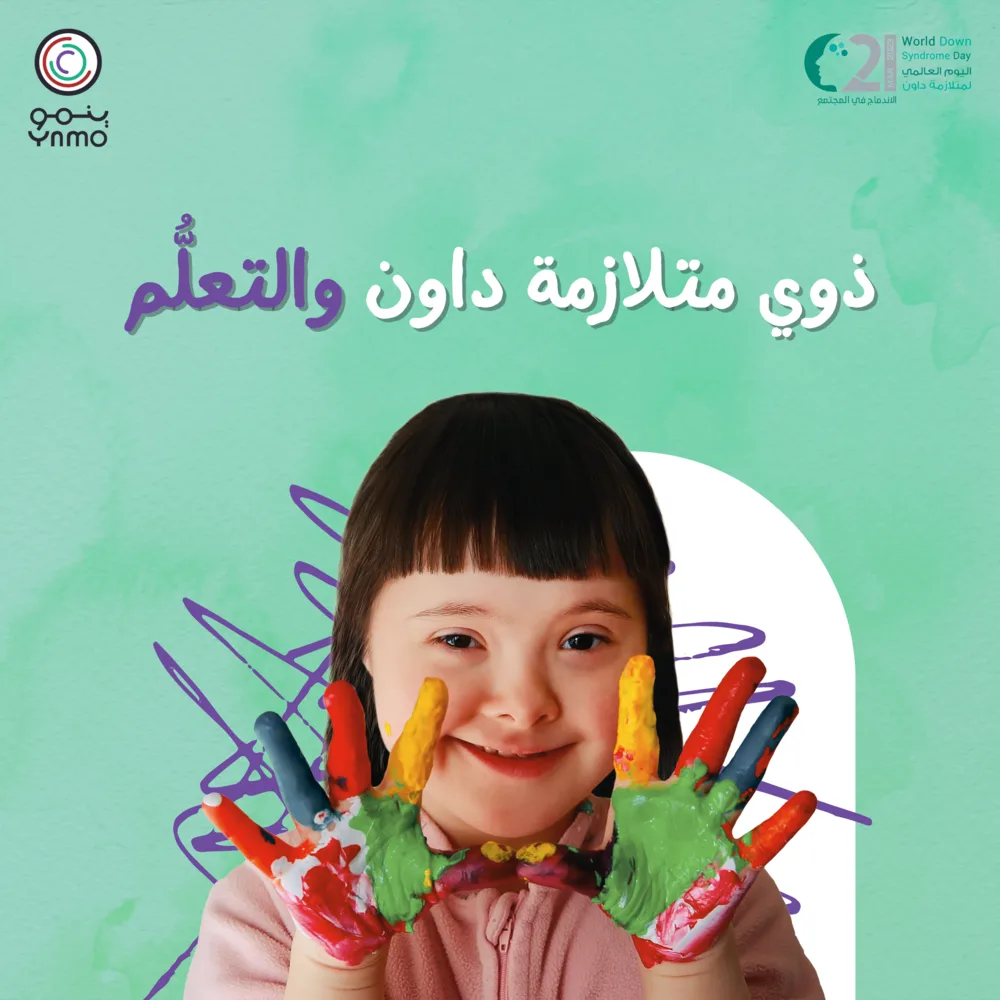
Individuals with Down Syndrome and Learning
October 25, 2021
It is important to remember that while children and adults with Down syndrome experience developmental delays, they also possess many talents and should be given the opportunity and encouragement to develop them.
The majority of children with Down syndrome have mild to moderate disabilities, but it is important to remember that they are more like other children than they are different.
Provision should be made for early intervention services shortly after birth. These services should include occupational therapy and speech therapy. Children in schools often learn in regular classrooms or in special education classrooms. Others have more significant needs and require a more specialized program.
By understanding how development and learning differ for children with Down syndrome, we can devise more effective educational methods and therapies.
Strengths of individuals with Down syndrome, which include:
- Social development
The social functioning of infants and children with Down syndrome is relatively lower than other areas of development. Children with Down syndrome look at faces and smile only a week or two later than other children and are usually social children. Children with Down syndrome enjoy communicating and make good use of non-verbal skills, including babbling and gestures, in social situations.
Most children and adults with Down syndrome continue to develop good social skills and appropriate social behavior, although a significant minority may develop challenging behaviors, especially those experiencing greater delays in speech and language development.
- Learning with visual support
Research indicates that individuals with Down syndrome learn better when they see things demonstrated. This finding has been shown across a number of developmental areas, including language acquisition and motor skills. This suggests that teaching will be more effective when information is presented with the support of pictures, gestures, or objects.
- Word reading
Many children with Down syndrome can develop their reading abilities ahead of what might be expected for their cognitive and language levels. Reading makes an important contribution to vocabulary and language development for all children, and this may be of particular benefit to children with Down syndrome, given their language delays.
Challenges for individuals with Down syndrome, which include:
- Motor development
Motor skills develop at a slower rate for children with Down syndrome compared to children without Down syndrome. These delays in motor development reduce infants' opportunities to explore and learn from the world around them, thereby further impacting cognitive development. Poor oral motor control may affect the development of language skills.
- Expressive language clarity and grammar
Children with Down syndrome show specific delays in learning to use spoken language relative to their non-verbal understanding. Children face two types of expressive difficulty: 1) delays in mastering sentence rules and grammar, 2) specific difficulties in developing clear speech production.
The gap between children's comprehension and their ability to express themselves is a source of much frustration and can sometimes lead to behavioral problems. It can also lead to underestimating children's cognitive abilities. Language delay also leads to cognitive delay, as much of human learning occurs through language, and language is internalized into thinking, remembering, and self-regulation.
- Basic number skills
Most children with Down syndrome experience some challenges with basic number skills, and their number skills are typically about two years behind their reading skills. Further research is needed into the reasons for this. Currently, the best available advice is to build on what is known about children's learning strengths and use math teaching systems that make full use of visual support to teach number concepts.
- Verbal short-term memory
Short-term memory is the immediate memory system that holds information "in mind" for brief periods of time and supports all learning and cognitive activities. It has separate components specialized for processing visual or verbal information.
The ability of children with Down syndrome to retain and process verbal information faces some challenges compared to their ability to retain and process visual information. Verbal short-term memory problems make learning new words and sentences difficult. They also make things more difficult for general relations.
Source:
.https://www.down-syndrome.org/en-gb/about-down-syndrome/development/
Related articles:
Down syndrome and early intervention
Suggest a topic you would like to read about in our articles
Originally published in Arabic. This English version was produced with AI-assisted translation; the Arabic original remains the reference.
Related articles
Is Your Child’s Language Developing Properly?

The Best Mistake I Made as a Special Education Teacher

The Role of Technology in Reducing Teacher Stress
The Golden Difference in My Students' Lives
How Do We Train Parents in Early Intervention?
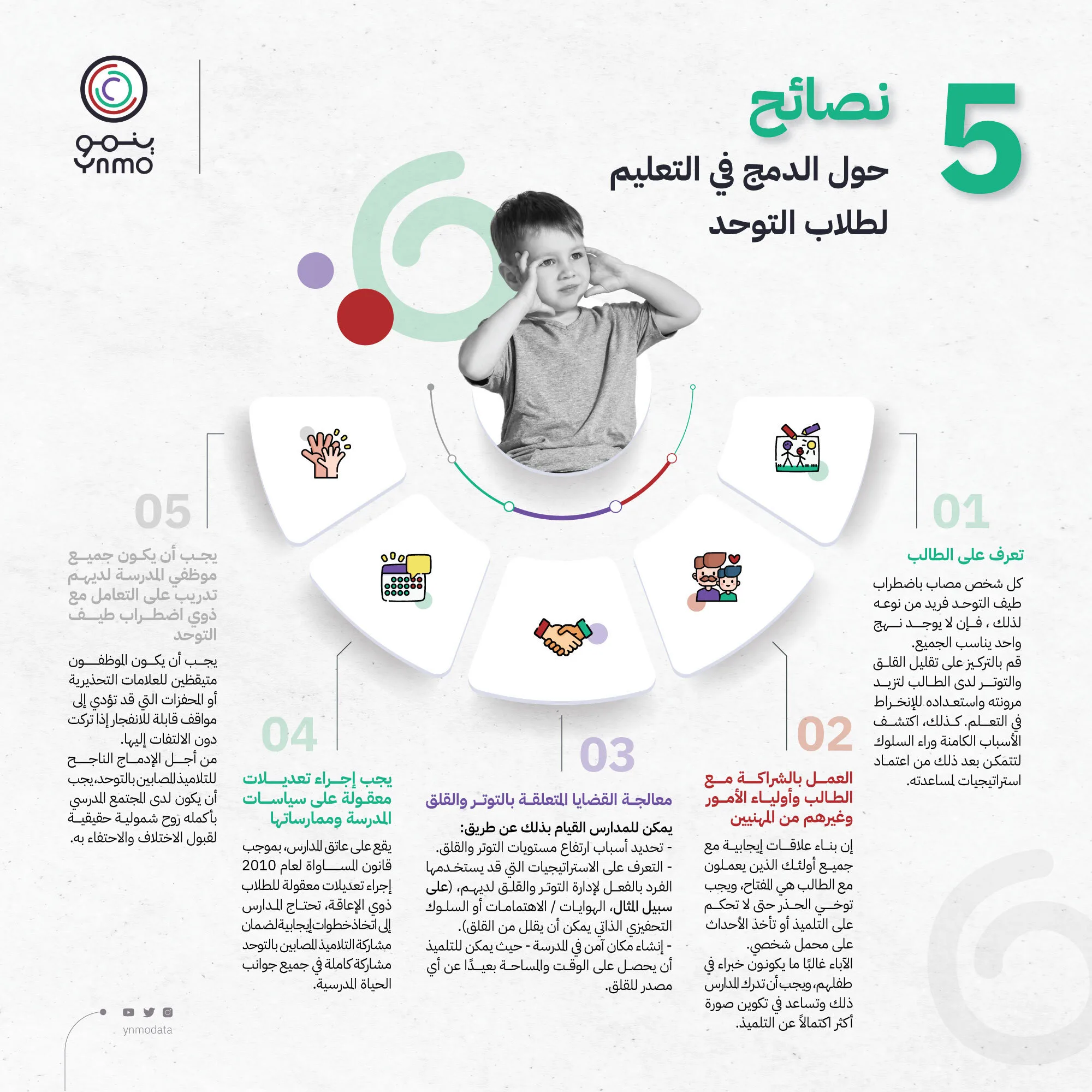
Top 5 Autism Tips: Inclusion in Education