

How Can an Applied Behavior Analysis Specialist Target Language and Communication Aspects in a Treatment Program? Verbal Behavior Theory
November 1, 2021
Many people might think that Applied Behavior Analysis services focus only on reducing undesirable behaviors, but this is not true. Applied Behavior Analysis involves acquiring new skills in addition to reducing undesirable behaviors.
A reader might also think that verbal behavior (in the context of Applied Behavior Analysis services) refers to unacceptable utterances that may come from a child, because the word 'behavior' is associated in some minds with unacceptable behaviors, but there is another explanation. Verbal behavior is a way of understanding language as a behavior like any other behavior produced by a person and mediated through another person.
Language is not merely a collection of words and phrases; language is an essential component of social life, serving as a means of expressing oneself and one's needs and desires..
There are many theories that have attempted to explain the mechanism through which language can be acquired. Among these theories is the Verbal Behavior theory proposed by the psychologist Skinner.
The concept of verbal behavior is based on the premise that:
Language has a meaningful function. Through our teaching, we try in every way to raise a child who is capable of communicating in both word and meaning, not a child who repeats words without comprehension! For example, when a child says 'water' upon seeing a picture of water... but when feeling thirsty, they do not use the same word because they do not yet understand the function of requesting.
Therefore, the scientist Skinner divided language functions according to their purpose into several functions, including: requesting, labeling, interactive language, and echolalia.
Requesting (Mand): An internal desire to obtain something by expressing it. For example: the child feels thirsty, so the child says: 'I want water' or the child says: 'Where is the water?'
Labeling (Tact): The child naming items/nouns/actions. A picture of (water) is presented to the child, and they say: 'water'.
Following instructions and receptive discrimination (Listener Responding): Carrying out commands and identifying or pointing to different items in the environment.
Interactive language or dialogue and conversation (Intraverbal): The child answering a question addressed to them, such as: 'What did you eat this morning?' The child answers: 'I ate a pancake.' 'Who took you to school?' The child answers: 'Dad.'
Echoic (Echo): Repeating speech or sounds as a form of verbal communication. The child hears the instructor say: 'Sit down,' and the child repeats the same word: 'Sit down.'
There are antecedent stimuli that control verbal behavior. For example, requesting is preceded by motivating operations that control this behavior, such as the desire to drink water prompting the child to request it. In labeling, however, the antecedent stimulus is non-verbal; the child may say 'bird' simply upon seeing it fly in front of them. The antecedent stimulus in interactive language is verbal, because the child either answers a question or continues a conversation, so they require a verbal antecedent stimulus that leads to the verbal response. As for echoic or repetition, it requires a verbal antecedent stimulus because the child listens to a word and repeats it.
Among the most important skills focused on by a Applied Behavior Analysis technician is teaching requesting skills. Requesting is the springboard for the rest of the goals, as it allows the child to obtain what they want when they want it, allows the child to reject something they do not want, and helps the child control their social environment, meaning that the child will need to interact with those around them to achieve what they want.
Training in requesting helps reduce unacceptable behaviors such as screaming/self-injury. Some educational institutions focus on developing important skills for the child while neglecting the verbal behavior aspect, which is no less important than the other skills. Seeing how widespread this is, I wanted to clarify its importance, and I believe that verbal behavior deserves attention due to the effective results and tangible impact it has shown on the child's social life.
Written by Sarah Bawazeer - Special Education - King Saud University
Reviewed by Dr. Faisal Alnemary and Ms. Nour Alhuda Mousa
Originally published in Arabic. This English version was produced with AI-assisted translation; the Arabic original remains the reference.
Related articles
Is Your Child’s Language Developing Properly?

The Best Mistake I Made as a Special Education Teacher

The Role of Technology in Reducing Teacher Stress
The Golden Difference in My Students' Lives
How Do We Train Parents in Early Intervention?
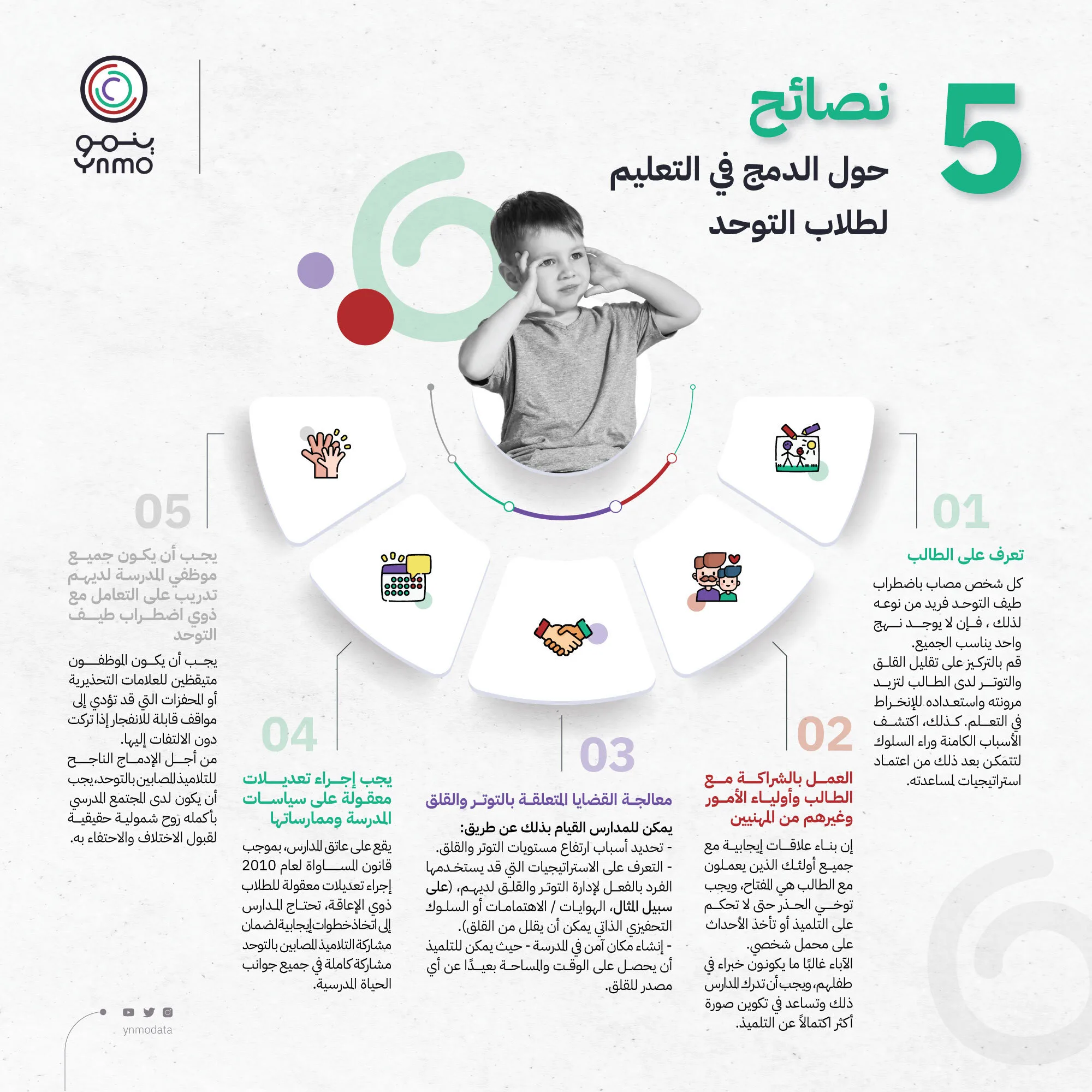
Top 5 Autism Tips: Inclusion in Education